
February 26, 2026
The demand for high-quality reinforced concrete structures continues to grow globally, driving the need for efficient and reliable steel bar ribs forming machines. These machines are critical in producing steel bars with enhanced bonding capabilities, leading to stronger and more durable concrete structures. Mesh Machinery specializes in designing and manufacturing state-of-the-art steel bar ribs forming machines, tailored to meet diverse construction needs. This article will explore the functionality, benefits, key considerations, and advancements in steel bar ribs forming technology.
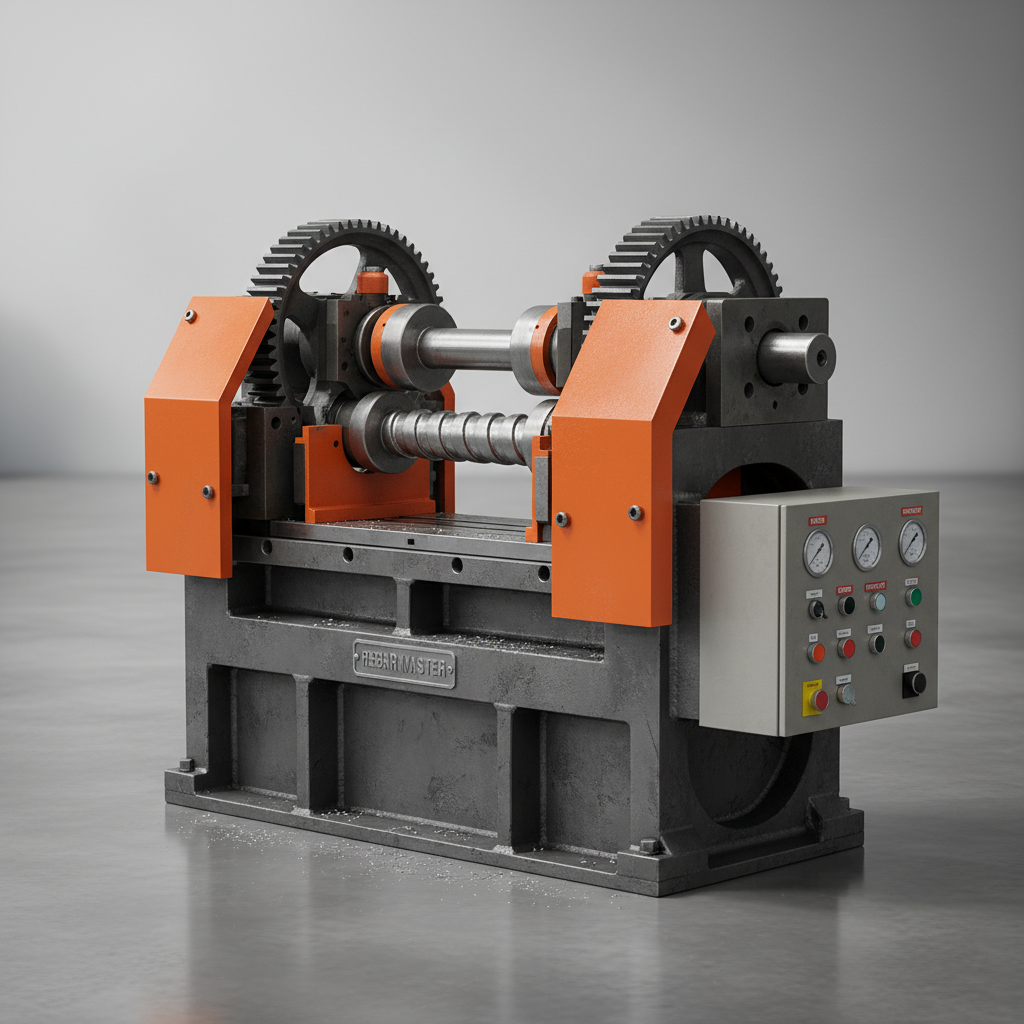
A steel bar ribs forming machine is a specialized piece of equipment used to create longitudinal ribs on the surface of steel reinforcing bars (rebar). These ribs significantly improve the bond between the steel and the surrounding concrete, enhancing the overall structural integrity. The process typically involves passing the steel bar through a series of rollers or forming dies that impart the desired rib pattern. The ribs increase the surface area and create a mechanical interlock with the concrete, preventing slippage and improving load transfer. A well-designed machine ensures consistent rib dimensions and spacing, contributing to the predictable performance of reinforced concrete elements.
Key Benefits: Enhanced concrete bond strength, improved structural integrity, increased durability of concrete structures, and optimized rebar performance.
There are several types of steel bar ribs forming machines available, each suited for different production volumes and rebar sizes. The most common types include:
Selecting the appropriate machine depends on factors such as production capacity, rebar diameter, rib specifications, and budget. Mesh Machinery offers a range of machines tailored to meet these varying needs.
Choosing the right steel bar ribs forming machine requires careful consideration of several factors. Production Capacity is paramount - assess your expected output to select a machine capable of meeting demand. Rebar Diameter Range is another crucial aspect; ensure the machine can handle the range of rebar sizes you anticipate using. Rib Specifications – different projects require different rib patterns, so confirm the machine’s flexibility in creating these. Automation Level - automated machines offer increased efficiency and reduced labor costs, while manual machines provide greater control for smaller runs. Finally, Maintenance and Support – a reliable manufacturer offering comprehensive after-sales support is essential for minimizing downtime.
Critical Selection Factors:
• Production Capacity
• Rebar Diameter Range
• Rib Specifications
• Automation Level
Understanding the performance differences between various machine types is vital for making an informed decision. The following table provides a comparative overview:
The steel bar ribs forming industry is constantly evolving, with ongoing advancements focused on increased efficiency, precision, and automation. Key trends include the development of more sophisticated control systems, the integration of Industry 4.0 technologies for real-time monitoring and data analysis, and the use of advanced materials for improved durability and performance. Mesh Machinery remains at the forefront of these innovations, providing cutting-edge solutions to meet the changing needs of the construction industry.
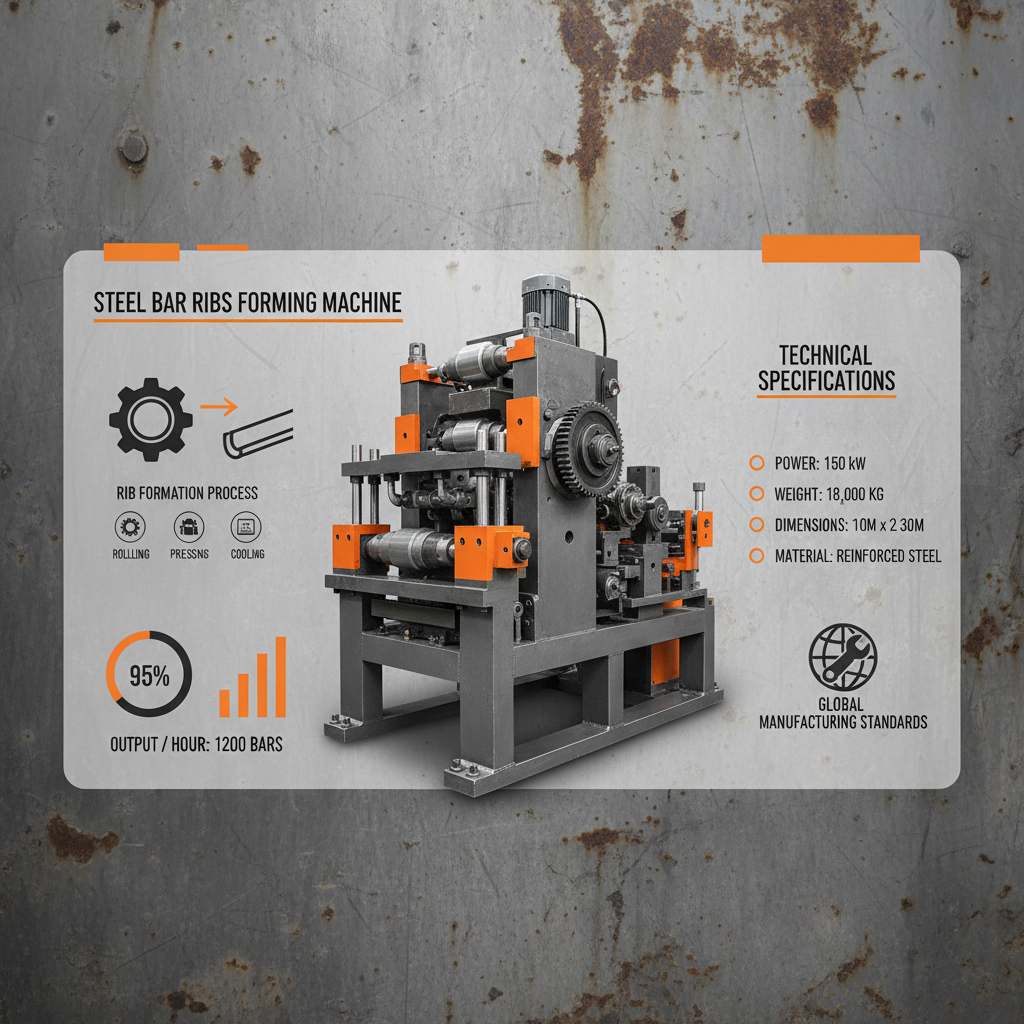
Investing in a high-quality steel bar ribs forming machine is crucial for producing durable and reliable reinforced concrete structures. By carefully considering factors like production capacity, rebar diameter, and automation level, you can select a machine that perfectly fits your needs. Mesh Machinery offers a comprehensive range of machines and dedicated support to ensure your success.
Regular maintenance is essential for ensuring the longevity and optimal performance of your machine. The schedule typically includes daily lubrication of moving parts, weekly inspections for wear and tear, and monthly cleaning and tightening of components. Annual professional servicing is recommended to identify and address potential issues before they escalate. Proper maintenance prevents costly downtime and extends the machine's lifespan. Refer to the manufacturer’s manual for specific recommendations.
Safety is paramount when operating these machines. Always wear appropriate personal protective equipment (PPE), including safety glasses, gloves, and hearing protection. Ensure the machine is properly grounded and all safety guards are in place. Never attempt to operate the machine without proper training. Regularly inspect the machine for any malfunctions and report them immediately. Follow all safety guidelines provided by the manufacturer.
The rib pattern significantly impacts bond strength. Deeper and more frequent ribs create a stronger mechanical interlock with the concrete, resulting in higher bond strength. Rib spacing and angle also play a role. Different applications may require specific rib patterns to achieve optimal performance. Consulting with a structural engineer is recommended to determine the appropriate rib pattern for your project.
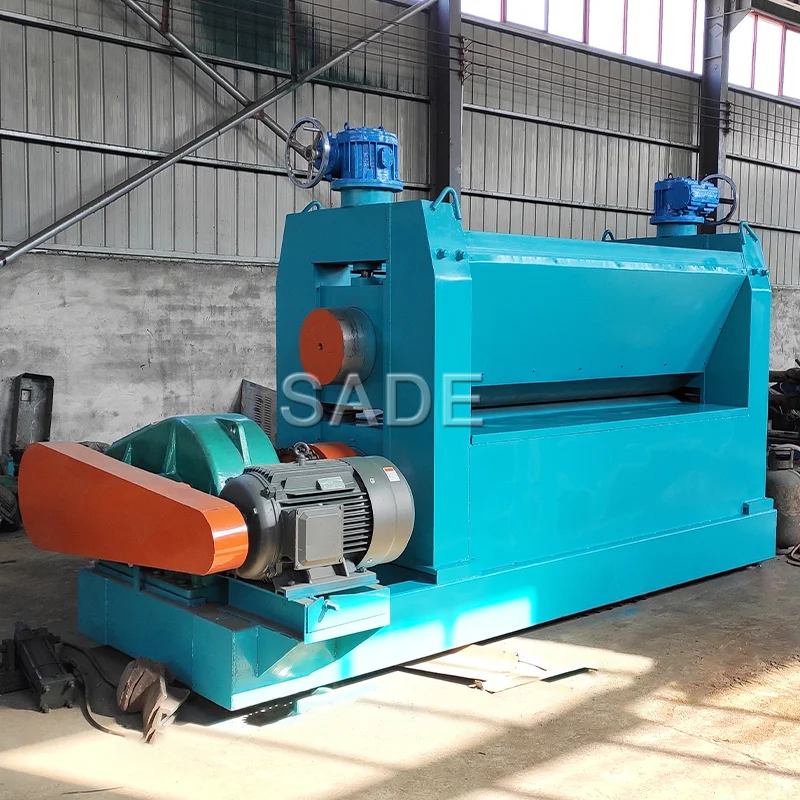
ZPJ Metal Mesh Flatting Machine
ZPJ metal mesh flatting machine is special designed for expanded metal flatting.It’s a corollary equipment of expanded metal machine. It can make expanded wire-mesh smoothly.And the flattened expanded metal have much more widely different applications.
Apr 24, 2026
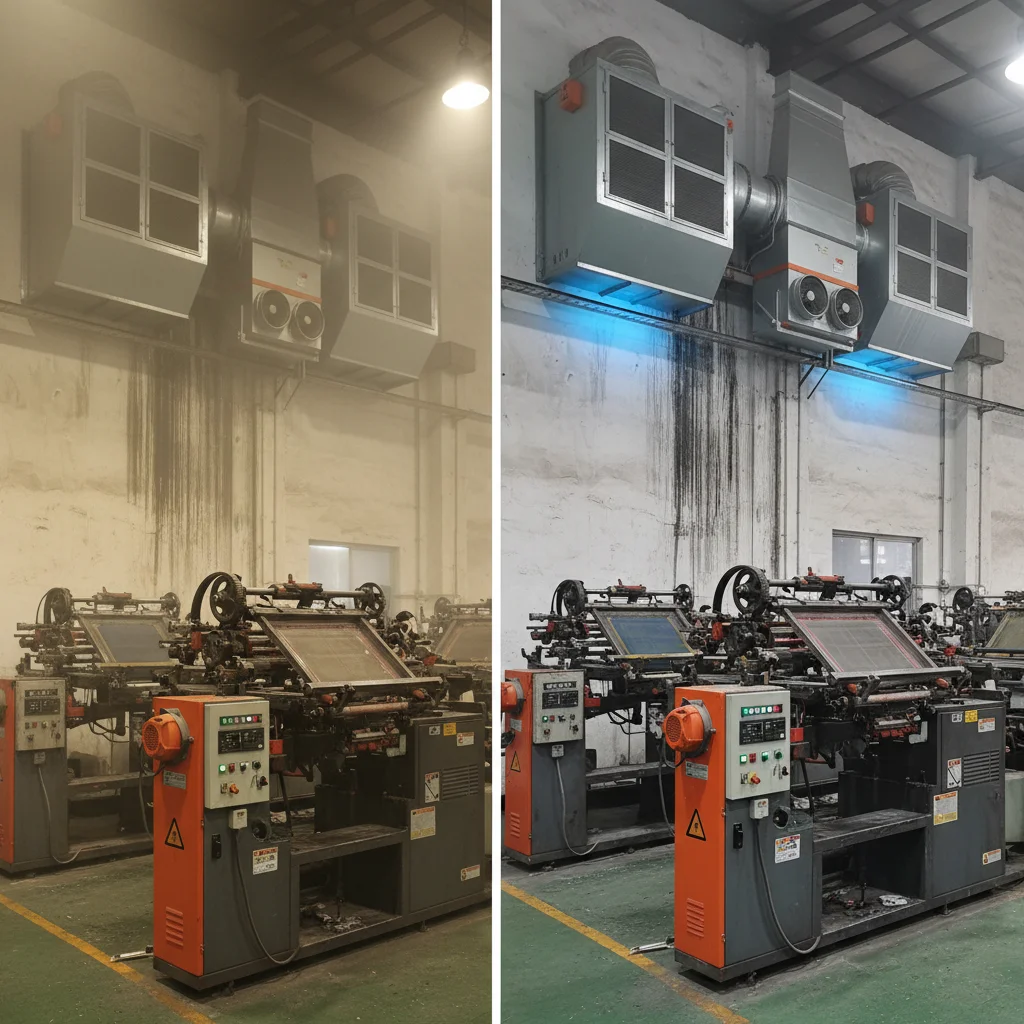
Industrial Wall Mounted Air Filtration for Clean Work Environments