
February 27, 2026
In the construction industry, efficiency and precision are paramount. A rebar cutting and bending machine is an indispensable tool for preparing reinforcement steel, significantly impacting project timelines and structural integrity. Selecting the correct machine requires careful consideration of factors like production volume, rebar diameter, bending angles, and budget. This guide will provide a comprehensive overview of these machines, helping you make an informed decision. Investing in the right machinery streamlines processes and ensures high-quality results.
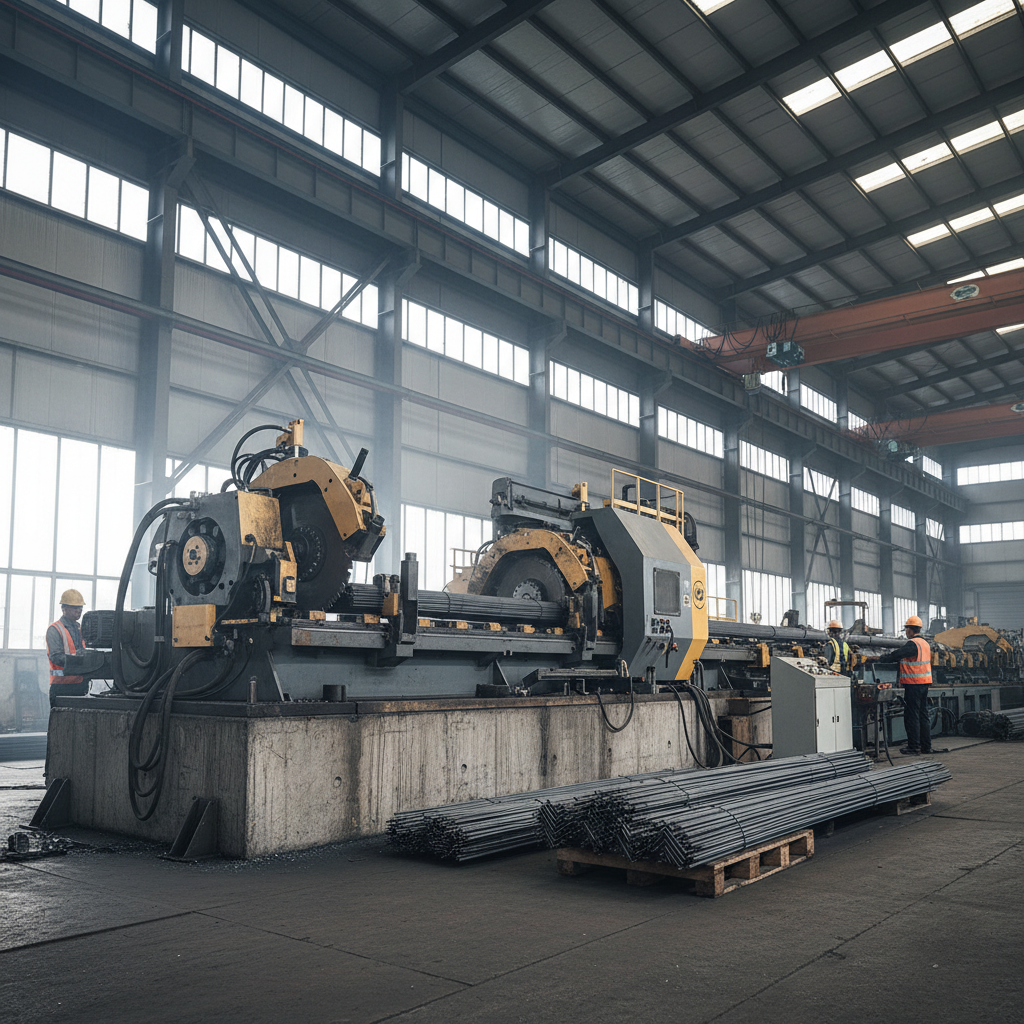
Rebar cutting and bending machines, also known as rebar processors, automate the tasks of cutting and shaping steel reinforcement bars (rebar). These machines drastically reduce manual labor, improve accuracy, and increase production speed compared to traditional methods. They come in various configurations, from portable, semi-automatic models for smaller projects to fully automatic, high-capacity machines for large-scale construction. A crucial factor is understanding the difference between cutting and bending capabilities. Some machines excel at straight cuts, while others are designed for complex bending shapes. Mesh Machinery offers a diverse range of these machines to suit various needs.
When evaluating rebar cutting and bending machines, several key features should be prioritized. Cutting capacity (maximum rebar diameter), bending capacity (maximum rebar diameter and bending angle), automation level (manual, semi-automatic, or fully automatic), power source (electric, hydraulic, or pneumatic), and portability are all essential considerations. The machine's control system – whether it’s a simple mechanical interface or a sophisticated PLC-controlled system – also impacts its ease of use and precision. Finally, consider the availability of spare parts and after-sales service to ensure long-term reliability.
Essential Features: Cutting capacity, bending capacity, automation level, power source, portability, control system, and after-sales service.
The market offers various types of rebar machines, each suited for specific applications. Manual machines are the most affordable and portable, ideal for small-scale projects. Semi-automatic machines offer increased efficiency by automating either the cutting or bending process. Fully automatic machines provide the highest throughput, capable of handling large volumes of rebar with minimal human intervention. Hydraulic machines are known for their power and ability to process thick rebar, while electric machines are generally quieter and more environmentally friendly. Choosing the right type depends on the project's scope, budget, and required precision.
Investing in a high-quality rebar cutting and bending machine offers numerous benefits. Increased efficiency, reduced labor costs, improved accuracy, and enhanced safety are just a few. Automation minimizes the risk of human error, resulting in consistent and reliable results. Faster processing times translate into shorter project completion times and increased profitability. Furthermore, a well-maintained machine can provide years of reliable service, making it a worthwhile investment for any construction business.
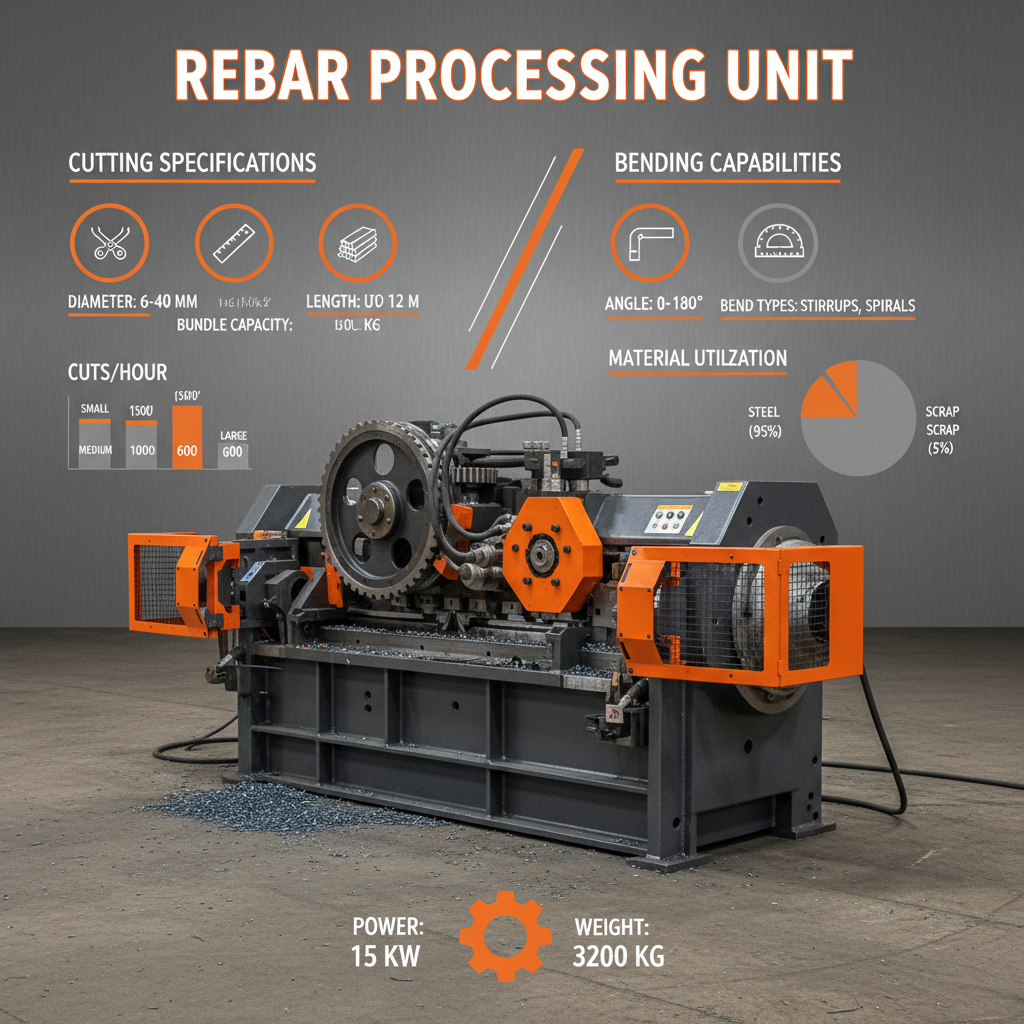
Selecting the right rebar cutting and bending machine is a critical decision. By carefully considering your project requirements, budget, and desired level of automation, you can find the perfect machine to optimize your operations. Mesh Machinery provides a comprehensive range of high-quality machines and expert support to help you succeed.
The power requirement varies significantly depending on the machine's size and automation level. Smaller, manual machines may operate on standard 110V or 220V power outlets. Larger, fully automatic machines typically require 400V three-phase power. It's crucial to verify the power specifications of the machine before purchase and ensure your facility can provide the necessary electrical supply. Ignoring this can lead to performance issues or even damage to the machine.
Regular maintenance is essential for ensuring the longevity and performance of your rebar machine. This includes daily lubrication of moving parts, regular inspection of blades and bending dies for wear, and periodic checks of hydraulic fluid levels (if applicable). Mesh Machinery provides comprehensive maintenance manuals and offers service contracts to help keep your machine in optimal condition.
Safety is paramount. Look for machines with emergency stop buttons, safety guards to prevent accidental contact with moving parts, and overload protection. Some machines also feature automatic shut-off mechanisms to prevent damage and ensure operator safety. Proper training for all operators is also critical to prevent accidents.
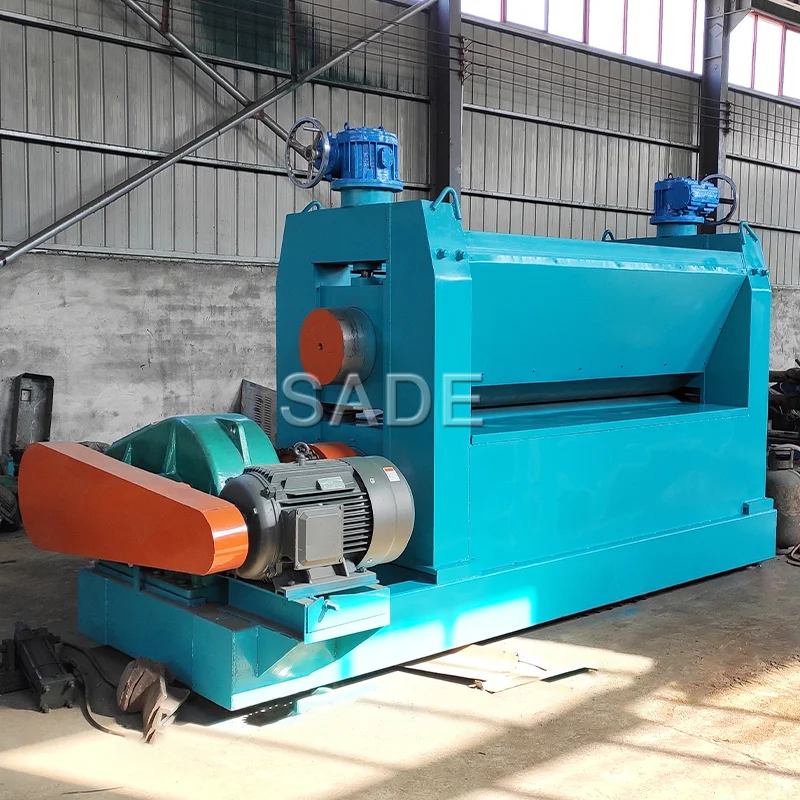
ZPJ Metal Mesh Flatting Machine
ZPJ metal mesh flatting machine is special designed for expanded metal flatting.It’s a corollary equipment of expanded metal machine. It can make expanded wire-mesh smoothly.And the flattened expanded metal have much more widely different applications.
Apr 24, 2026
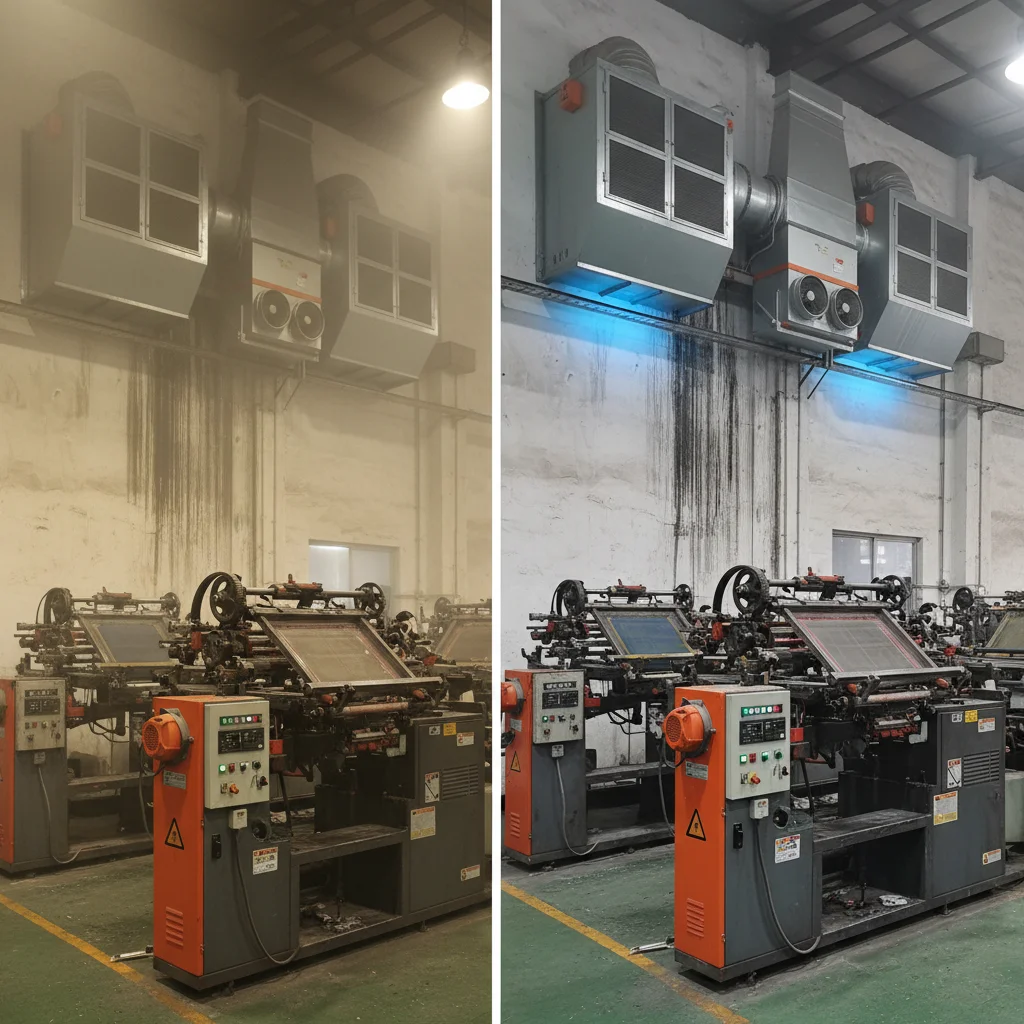
Industrial Wall Mounted Air Filtration for Clean Work Environments