
February 27, 2026
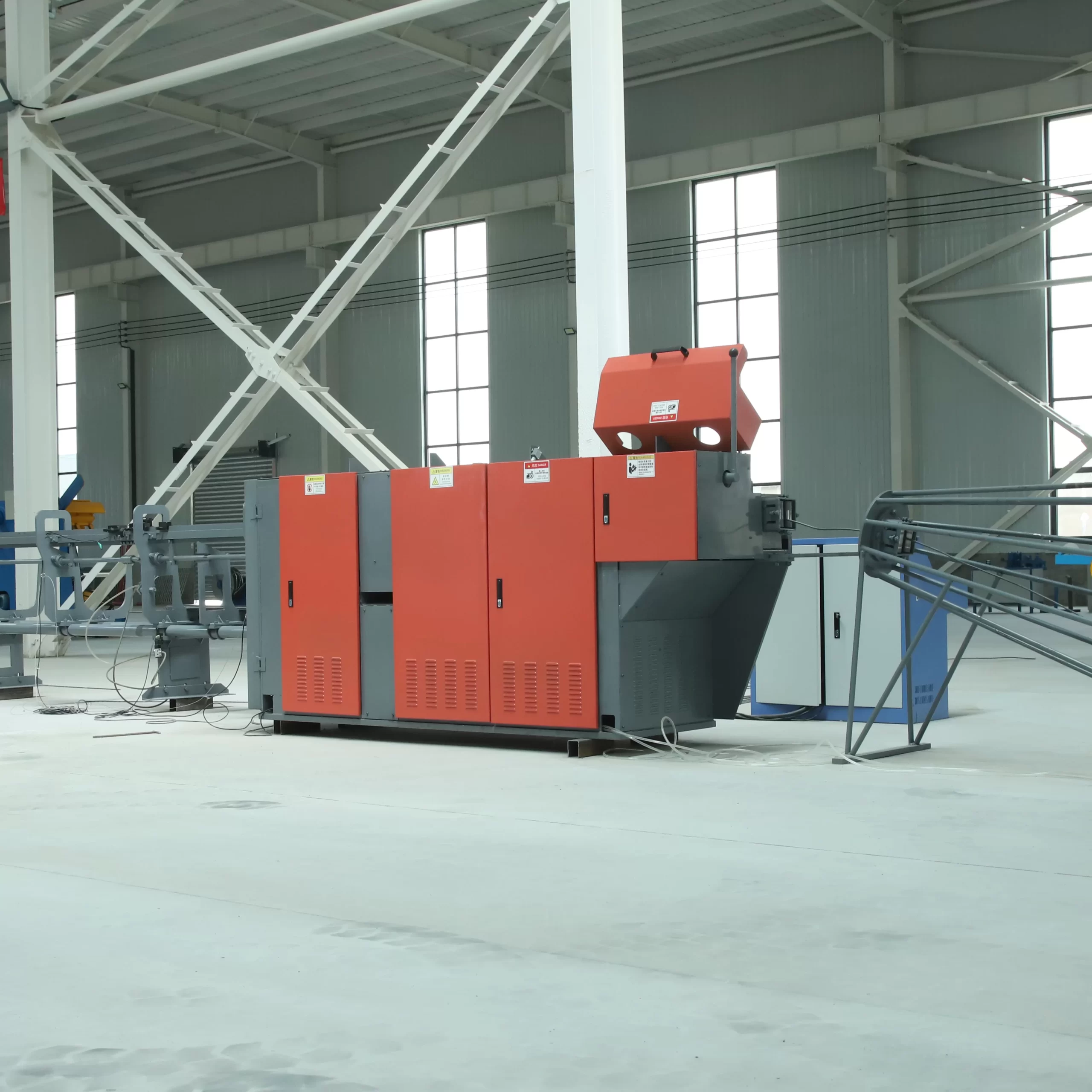
In the construction industry, efficiency and precision are paramount. An industrial rebar bending machine is a crucial piece of equipment for shaping reinforcing steel (rebar) used in concrete structures. These machines automate a traditionally labor-intensive process, significantly increasing productivity, accuracy, and safety. This article will delve into the benefits, types, key features, and considerations when choosing a rebar bending machine, providing a comprehensive guide for construction professionals. Investing in the right machinery can dramatically impact project timelines and overall cost-effectiveness.
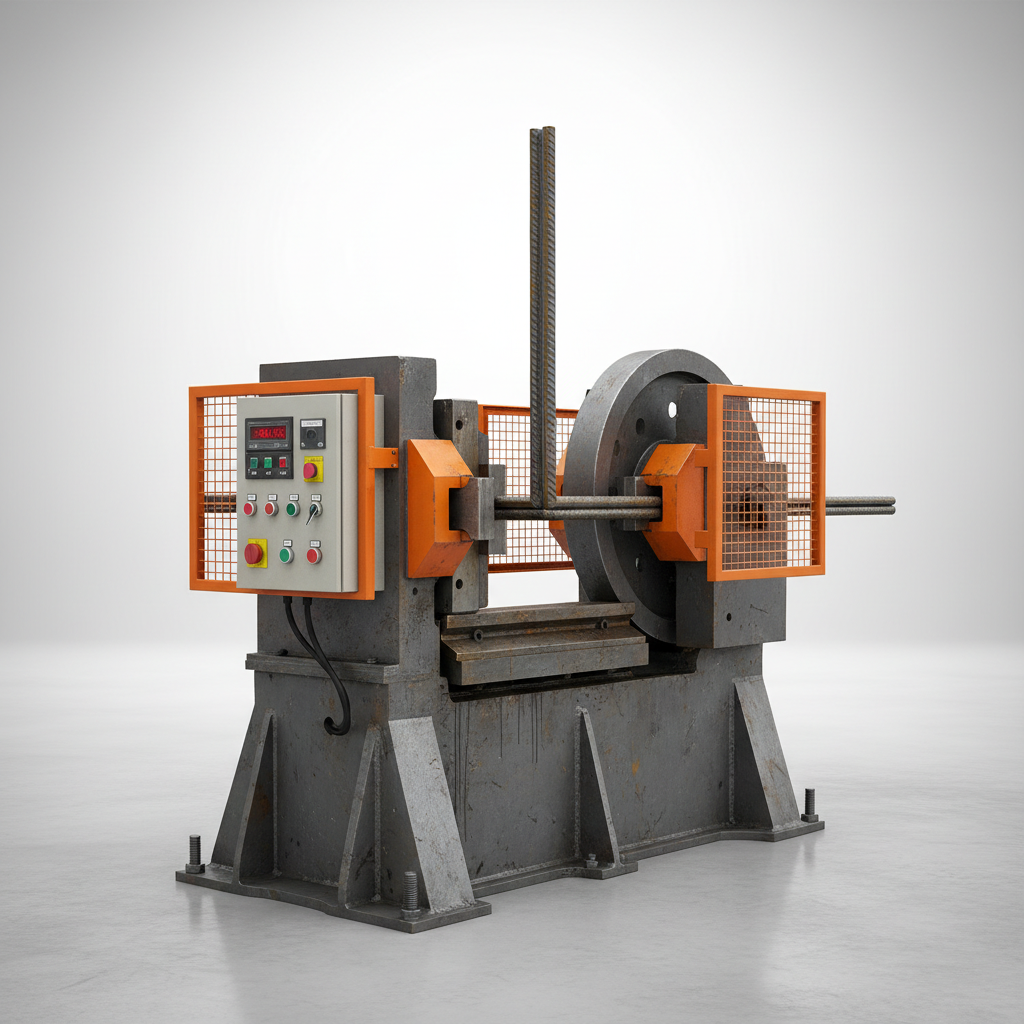
The advantages of implementing an industrial rebar bending machine extend far beyond simple labor savings. Automation leads to consistently accurate bends, minimizing material waste and ensuring structural integrity. Faster bending speeds translate directly into quicker project completion times, improving overall efficiency. Moreover, automating the bending process significantly reduces the risk of worker strain and injury associated with manual bending. This promotes a safer work environment and lowers potential liability. Reduced labor costs, improved accuracy, and increased safety collectively contribute to a significant return on investment.
Key Advantages: Faster bending speeds, consistently accurate bends, reduced material waste, improved worker safety, and lower labor costs.
There are several types of industrial rebar bending machines, each suited for different applications and production volumes. CNC Rebar Bending Machines utilize computer numerical control for highly precise and complex bending patterns, ideal for large-scale projects with intricate designs. Electro-Mechanical Rebar Bending Machines offer a balance of speed, accuracy, and affordability, suitable for medium-sized projects. Hydraulic Rebar Bending Machines are known for their power and ability to bend thicker rebar, often used in heavy construction applications. Choosing the right type depends on factors like the diameter of the rebar, bending angles, production volume, and budget.
Machine Type Overview:
• CNC Machines: High precision, complex bends, large-scale projects.
• Electro-Mechanical Machines: Balance of speed, accuracy, and affordability.
• Hydraulic Machines: High power, thick rebar, heavy construction.
Selecting the right industrial rebar bending machine requires careful consideration of several key features. Bending Capacity (maximum rebar diameter) is critical. Bending Speed impacts production output. Accuracy and Repeatability are essential for structural integrity. Control System (manual, semi-automatic, or CNC) determines the level of automation and precision. Portability (stationary or mobile) depends on project requirements. Finally, consider the machine’s Safety Features, ensuring compliance with relevant safety standards. Prioritizing these features will ensure you choose a machine that meets your specific needs and delivers optimal performance.
The specifications of industrial rebar bending machines vary widely. Here’s a sample range to illustrate the diversity of available options:
Investing in an industrial rebar bending machine is a strategic move for any construction company seeking to improve efficiency, accuracy, and safety. By carefully evaluating your needs and selecting the right machine, you can significantly streamline your operations and achieve substantial cost savings. Mesh Machinery offers a comprehensive range of high-quality rebar bending machines to meet diverse project requirements.
Safety is paramount. Essential features include emergency stop buttons, protective guards to prevent accidental contact with moving parts, overload protection to prevent motor damage, and proper grounding to avoid electrical hazards. Look for machines that comply with relevant safety standards (e.g., CE certification). Regular maintenance and operator training are also crucial for safe operation. Always follow the manufacturer's safety guidelines and ensure operators are properly trained in the machine's operation and safety procedures.
Regular maintenance is essential for ensuring optimal performance and longevity. This includes lubricating moving parts, inspecting and tightening bolts, checking electrical connections, and cleaning the machine regularly to remove debris. Follow the manufacturer's recommended maintenance schedule. For hydraulic machines, regularly check hydraulic fluid levels and inspect hoses for leaks. Proper maintenance prevents breakdowns, extends the machine's lifespan, and ensures safe operation.
The bending capacity should be based on the largest diameter of rebar you anticipate using in your projects. It's advisable to choose a machine with a slightly higher capacity than your current needs to accommodate future projects or changes in construction requirements. Consider the types of structures you typically build and the corresponding rebar sizes specified in the blueprints. Always refer to structural engineering drawings to determine the required rebar diameters.
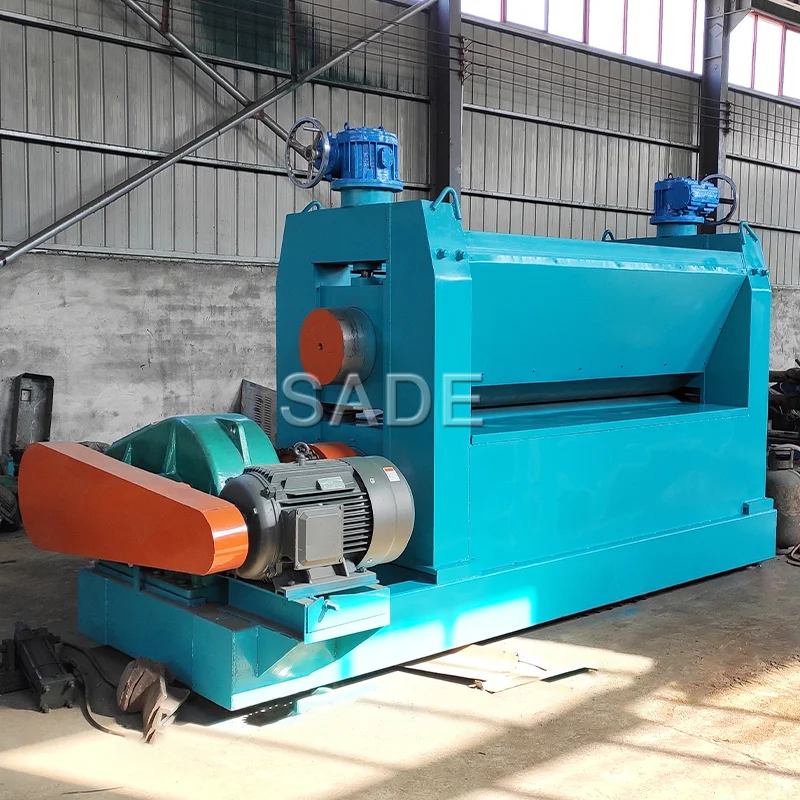
ZPJ Metal Mesh Flatting Machine
ZPJ metal mesh flatting machine is special designed for expanded metal flatting.It’s a corollary equipment of expanded metal machine. It can make expanded wire-mesh smoothly.And the flattened expanded metal have much more widely different applications.
Apr 24, 2026
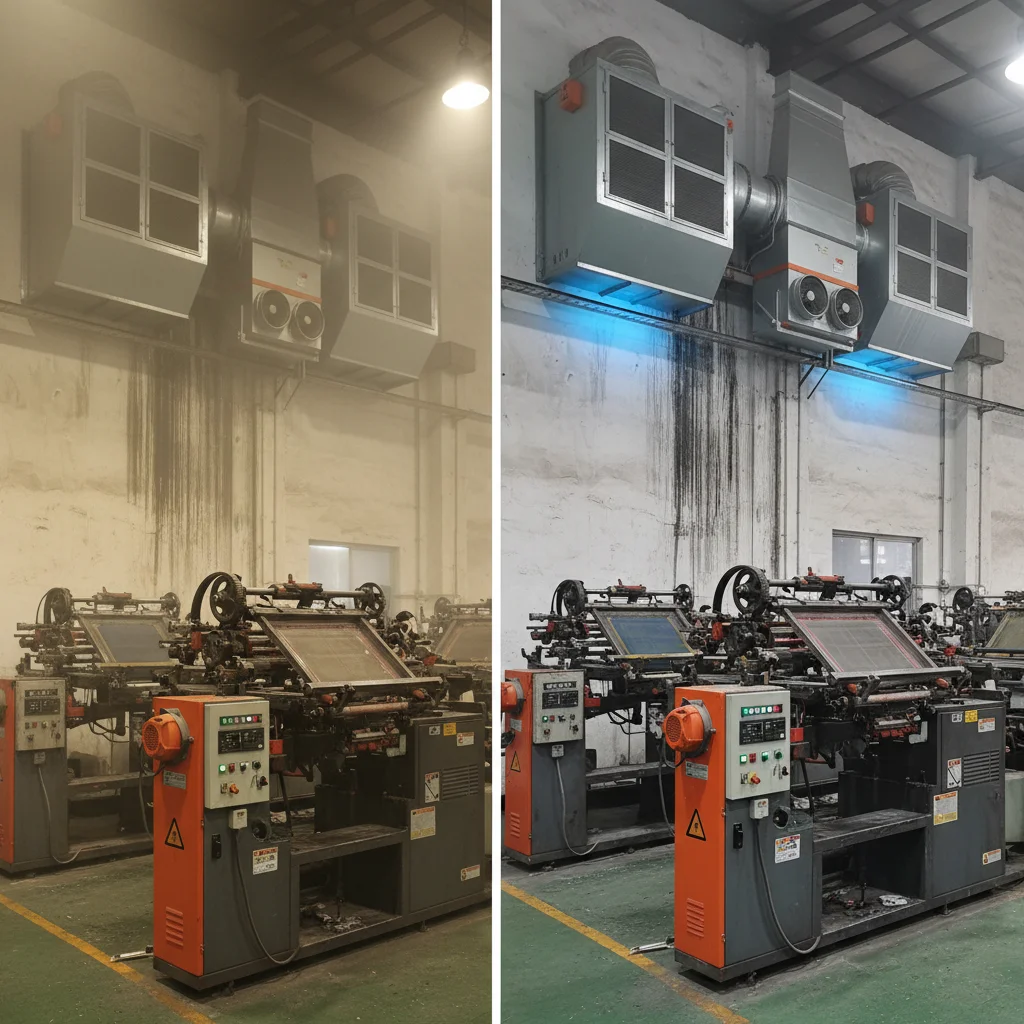
Industrial Wall Mounted Air Filtration for Clean Work Environments