
March 03, 2026
In the dynamic world of construction and infrastructure development, the strength and longevity of concrete structures are paramount. Reinforcing mesh machines play a crucial role in producing the high-quality welded wire mesh essential for enhancing concrete's structural integrity. This article provides an in-depth look at these machines, their applications, benefits, and what to consider when making a purchase. Understanding the nuances of these machines is vital for contractors, construction companies, and anyone involved in concrete reinforcement.
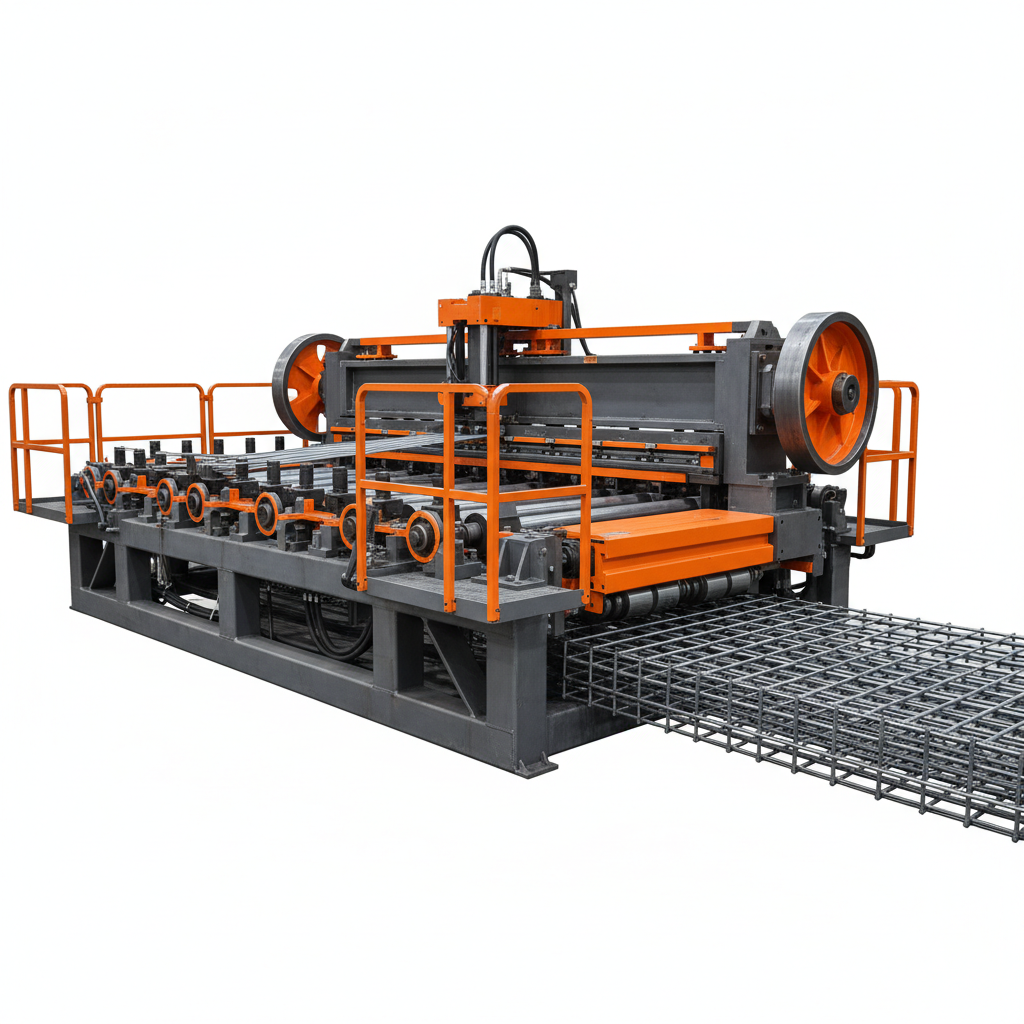
A reinforcing mesh machine, also known as a welded wire mesh (WWM) machine, is an automated system that precisely welds wires together to form a grid-like structure. This mesh acts as reinforcement within concrete, significantly increasing its tensile strength and preventing cracking. The machine typically consists of a wire unwinding system, a welding power source, welding electrodes, a clamping mechanism, and a control system. Modern machines are often computer-controlled, ensuring accuracy and efficiency. These machines are designed to handle various wire diameters and mesh spacings, making them versatile for diverse construction projects.
Key Benefits: Increased concrete strength, reduced cracking, enhanced durability, and cost-effective reinforcement solution.
There are several types of reinforcing mesh machines available, each suited to different production volumes and mesh specifications. The most common types include:
The choice depends on the specific needs of the project and the required output.
Selecting the right reinforcing mesh machine requires careful consideration of several key features. Here's a breakdown:
Reinforcing mesh produced by these machines is integral to a vast array of construction applications. Common uses include:
The use of welded wire mesh is essential for ensuring the safety and durability of these structures.
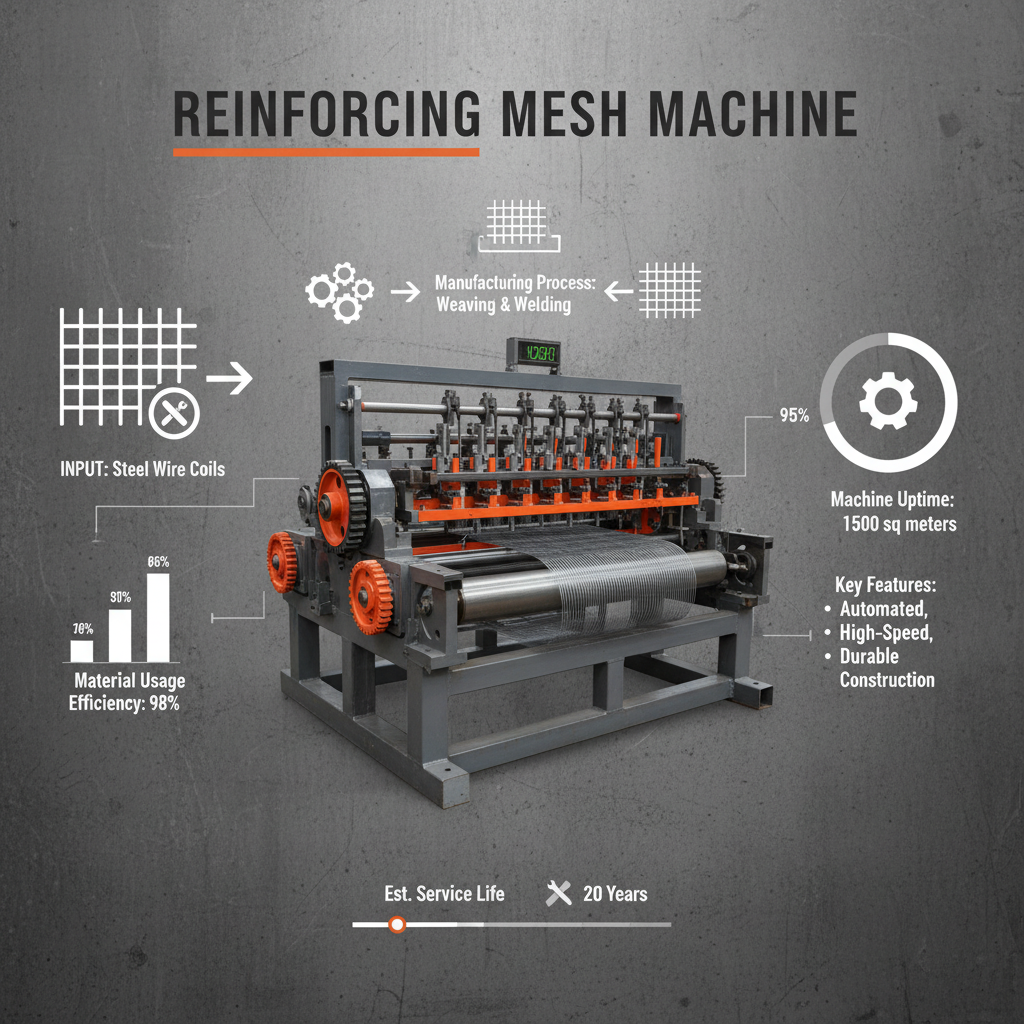
Understanding the differences between machine types is vital for making the right investment. Here's a quick comparison:
Investing in a high-quality reinforcing mesh machine is a strategic decision for any construction-related business. The benefits of increased concrete strength, reduced cracking, and enhanced durability far outweigh the investment. Explore the options and choose a machine that aligns with your specific needs and production goals.
Power consumption varies depending on the machine's size and automation level. Smaller, semi-automatic machines typically require between 10-20 kW, while larger, fully automatic machines can consume 30-50 kW or more. It's essential to consider the available power supply at your facility and choose a machine that aligns with your electrical capacity. Always refer to the manufacturer's specifications for accurate power consumption data. Furthermore, efficient energy management practices can help reduce operating costs.
Regular maintenance is crucial for ensuring the longevity and optimal performance of your machine. Key maintenance tasks include cleaning welding electrodes, lubricating moving parts, inspecting wiring and electrical connections, and checking the calibration of control systems. Depending on usage, more extensive maintenance may be required periodically, such as replacing worn components or overhauling the welding power source. Refer to the machine's manual for detailed maintenance schedules and procedures. Preventative maintenance significantly reduces the risk of unexpected downtime and extends the machine's lifespan.
Safety is paramount when operating these machines. Always wear appropriate personal protective equipment (PPE), including safety glasses, gloves, and hearing protection. Ensure the machine is properly grounded to prevent electrical shock. Never attempt to repair or adjust the machine while it's running. Implement lockout/tagout procedures during maintenance. Train all operators thoroughly on safe operating procedures and emergency shutdown protocols. Regularly inspect the machine for any safety hazards and address them promptly. Following these precautions will minimize the risk of accidents and injuries.
The lifespan of a reinforcing mesh machine largely depends on factors like usage intensity, maintenance practices, and the quality of the machine. With regular maintenance and proper operation, a well-built machine can last for 10-15 years or even longer. However, components like welding electrodes and control systems may need to be replaced periodically. Investing in a machine from a reputable manufacturer known for quality and durability is essential for maximizing its lifespan.
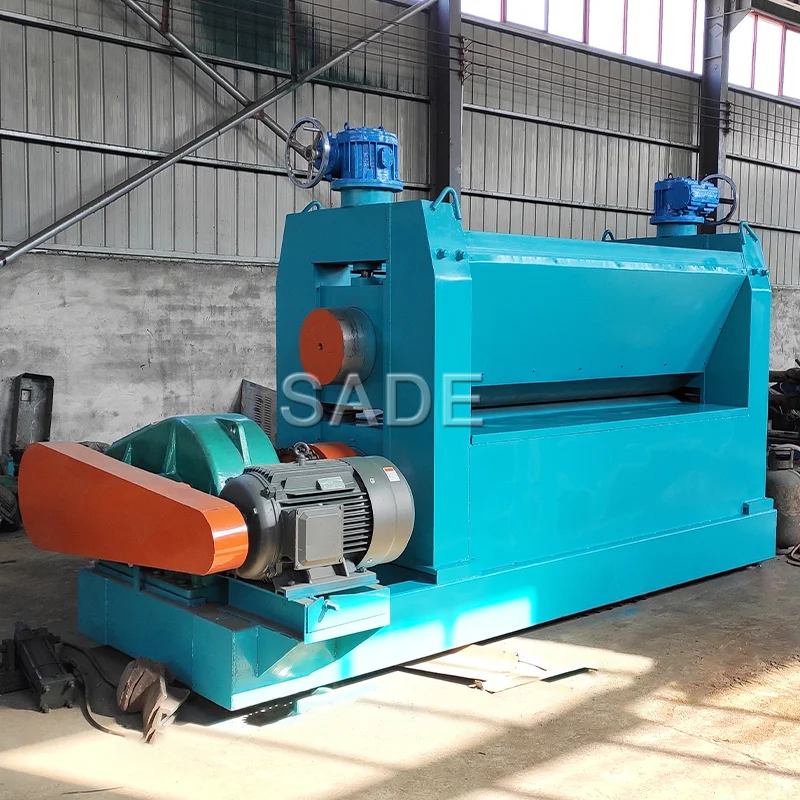
ZPJ Metal Mesh Flatting Machine
ZPJ metal mesh flatting machine is special designed for expanded metal flatting.It’s a corollary equipment of expanded metal machine. It can make expanded wire-mesh smoothly.And the flattened expanded metal have much more widely different applications.
Apr 24, 2026
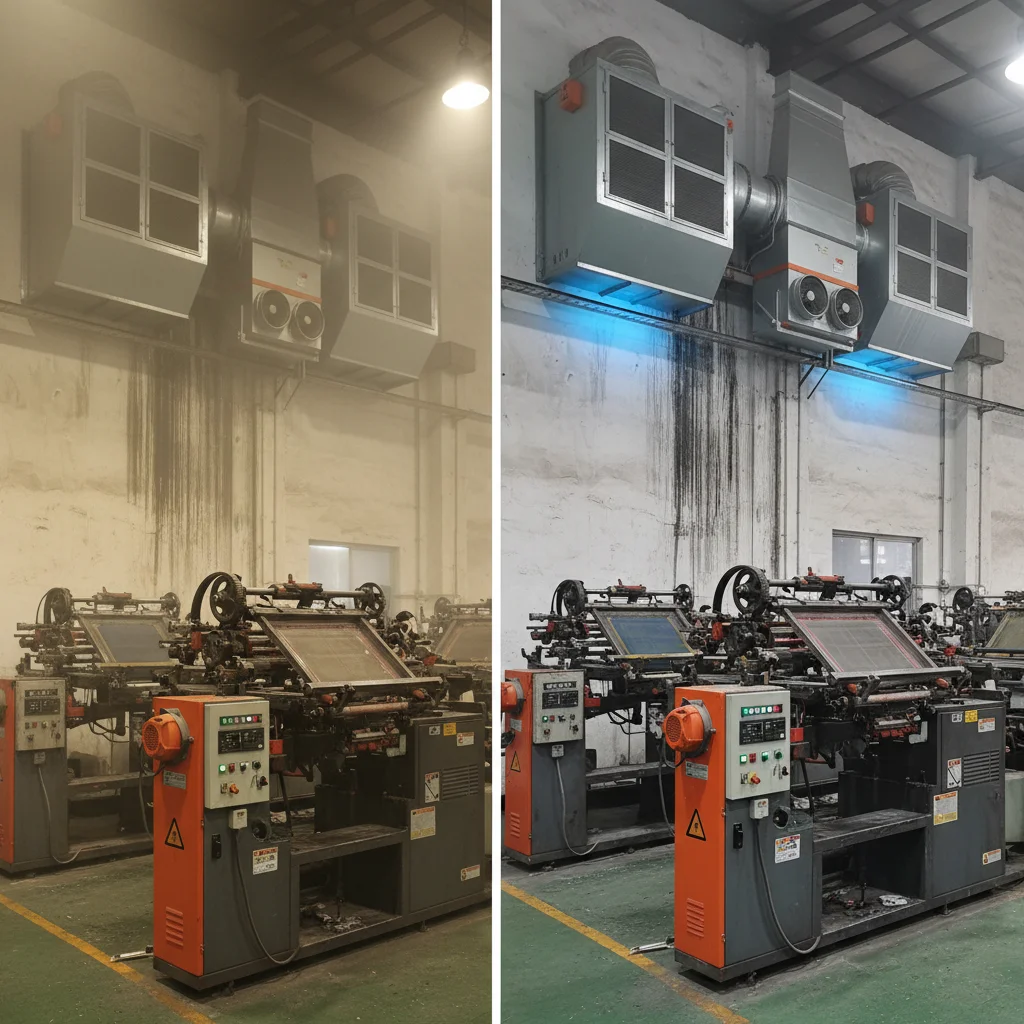
Industrial Wall Mounted Air Filtration for Clean Work Environments