
March 07, 2026
In the realm of efficient cable management, the perforated cable tray machine stands as a cornerstone of modern infrastructure. These machines automate the production of perforated cable trays, essential components for organizing and protecting electrical, data, and telecommunications cabling. From data centers to industrial plants, the demand for robust and precisely manufactured cable trays continues to grow. Selecting the right machine is crucial for maximizing production efficiency and ensuring the highest quality standards. This article delves into the intricacies of perforated cable tray machines, exploring their functionality, benefits, key features, and applications.
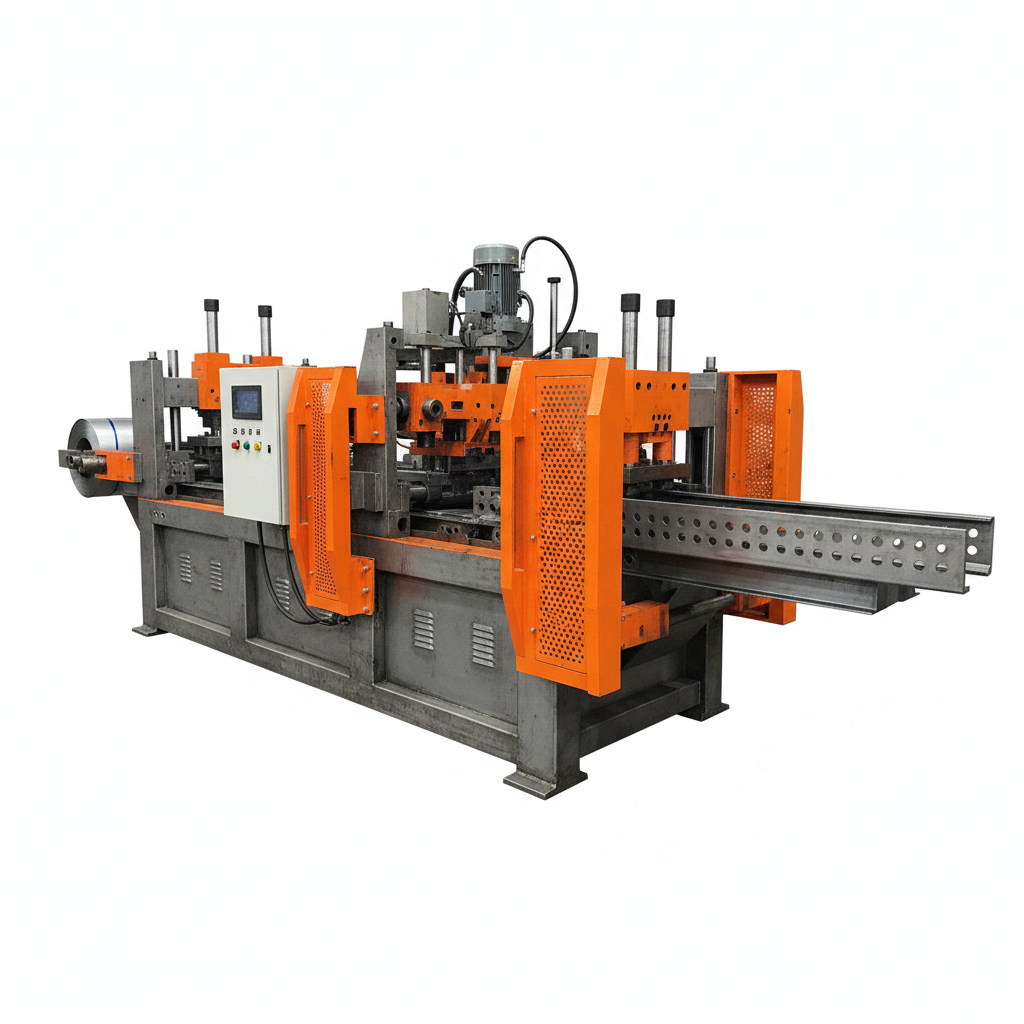
A perforated cable tray machine essentially automates the process of creating precise perforations in metal sheets (typically steel or aluminum) that are then formed into cable trays. The core components include an unwinding unit for the metal coil, a feeding mechanism, a punching unit with dies and tooling for creating the desired hole patterns, a forming section to bend the metal into the tray shape, and a cutting mechanism to create trays of specific lengths. Modern machines utilize CNC (Computer Numerical Control) technology for precise control over the punching, forming, and cutting processes, ensuring consistent quality and minimal material waste. The entire process is often integrated with quality control systems to identify and reject any defective trays.
Key Advantages: Automation leads to increased production speed, reduced labor costs, and improved consistency in product quality. CNC control ensures accuracy and adaptability to different tray designs.
Today's perforated cable tray machines come equipped with a variety of advanced features designed to enhance performance and versatility. These include automatic coil loading and unloading systems, programmable logic controllers (PLCs) for precise control and monitoring, automatic width adjustment capabilities to accommodate different tray widths, and servo motor drives for accurate positioning and speed control. Many machines also offer real-time monitoring of production data, allowing for proactive maintenance and optimization. Furthermore, some models incorporate automatic stacking and packaging systems for complete end-to-end automation. Mesh Machinery offers machines tailored to meet diverse production needs.
Several types of perforated cable tray machines are available, each suited for different production volumes and applications. Some machines are designed for high-volume, continuous production, while others are more versatile and can handle smaller batch sizes with quick changeovers. The core difference lies in the automation level and flexibility. Roll forming machines, for instance, are adept at producing large quantities of standard tray designs, while more complex CNC punching and forming machines offer greater design freedom. Consider your anticipated production volume and product diversity when choosing a machine.
The applications of perforated cable trays produced by these machines are vast and span numerous industries. They are crucial in data centers for managing the dense cabling infrastructure. In commercial buildings, they provide a neat and organized solution for electrical and data cabling. Industrial plants utilize them for supporting heavy-duty power cables and control wiring. Furthermore, they are employed in telecommunications infrastructure, power distribution systems, and renewable energy installations. The demand for efficient cable management solutions will continue to drive the growth of this market.
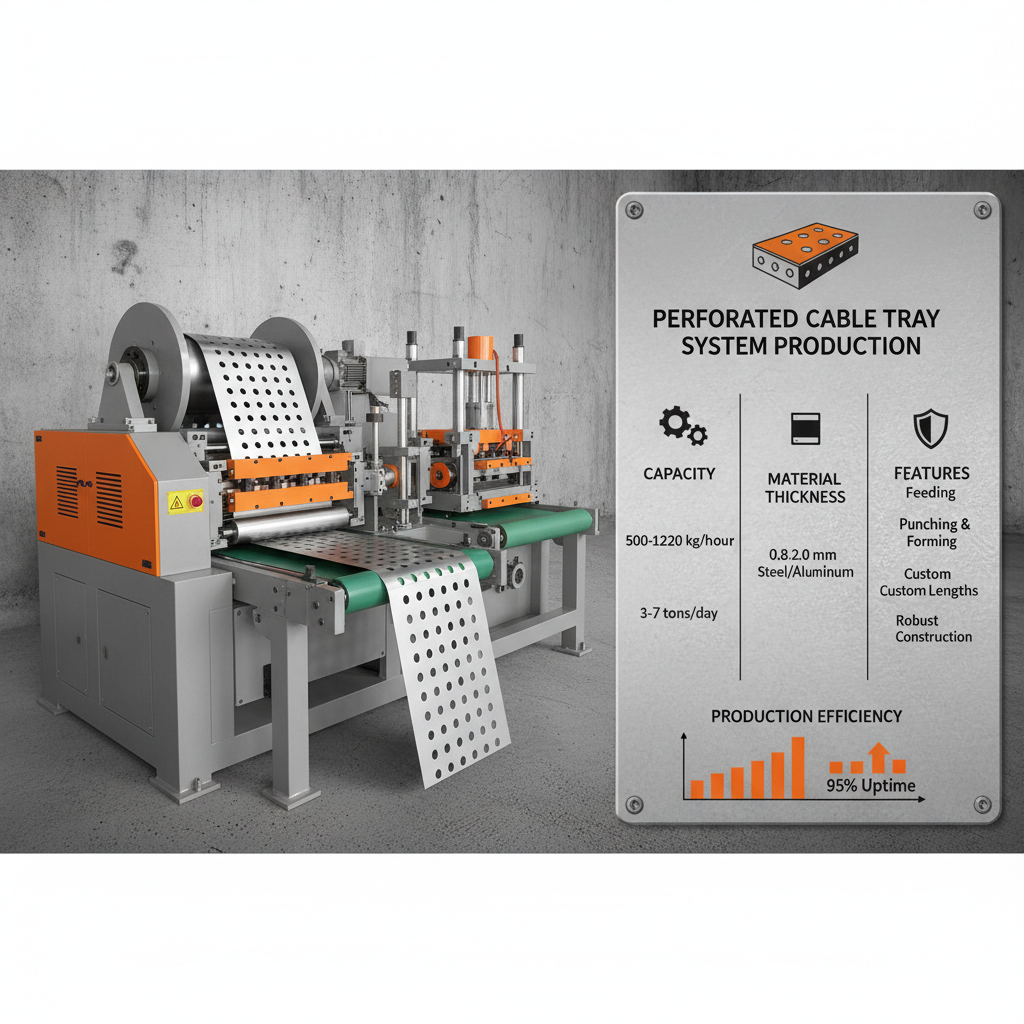
Selecting the right perforated cable tray machine requires careful consideration of several factors. Assess your production volume, the range of tray sizes and designs you need to produce, your budget, and the availability of skilled operators. Consider the machine’s automation level, its energy efficiency, and the quality of after-sales support provided by the manufacturer. Mesh Machinery's experts can provide guidance in choosing the best machine to suit your specific requirements. Investing in a reliable and efficient machine will yield long-term benefits in terms of productivity, quality, and cost savings.
The perforated cable tray machine is an indispensable asset for businesses involved in cable management. By automating the production process, these machines enhance efficiency, reduce costs, and improve product quality. Choosing the right machine requires careful evaluation of your specific needs and a partnership with a reputable manufacturer. Invest in automation and unlock the potential for streamlined operations and sustained growth.
Most perforated cable tray machines are designed to process mild steel, galvanized steel, and aluminum. However, some machines can be adapted to handle other materials like stainless steel or copper with the appropriate tooling. It's essential to verify the machine's capabilities with the manufacturer before attempting to process a specific material. The material thickness is also a critical factor, and the machine should be configured to handle the desired thickness range.
The production speed varies depending on the machine's type, the material being processed, the tray width, and the complexity of the perforation pattern. High-volume roll forming machines can produce several hundred feet of cable tray per hour. CNC punching and forming machines generally operate at slower speeds, typically ranging from 20 to 80 feet per hour. However, the accuracy and flexibility of CNC machines often outweigh the speed advantage of roll forming machines for certain applications.
Regular maintenance is crucial for ensuring the machine's longevity and optimal performance. This includes lubricating moving parts, cleaning dust and debris from the system, inspecting and replacing worn dies and tooling, and checking the electrical connections. Following the manufacturer's recommended maintenance schedule is essential. Preventive maintenance can significantly reduce downtime and prevent costly repairs.
Modern perforated cable tray machines incorporate several safety features to protect operators. These include emergency stop buttons, safety guards to prevent access to moving parts, light curtains to detect intrusions, and overload protection systems. Proper training and adherence to safety protocols are essential for safe operation. Always consult the machine's safety manual before operating the equipment.
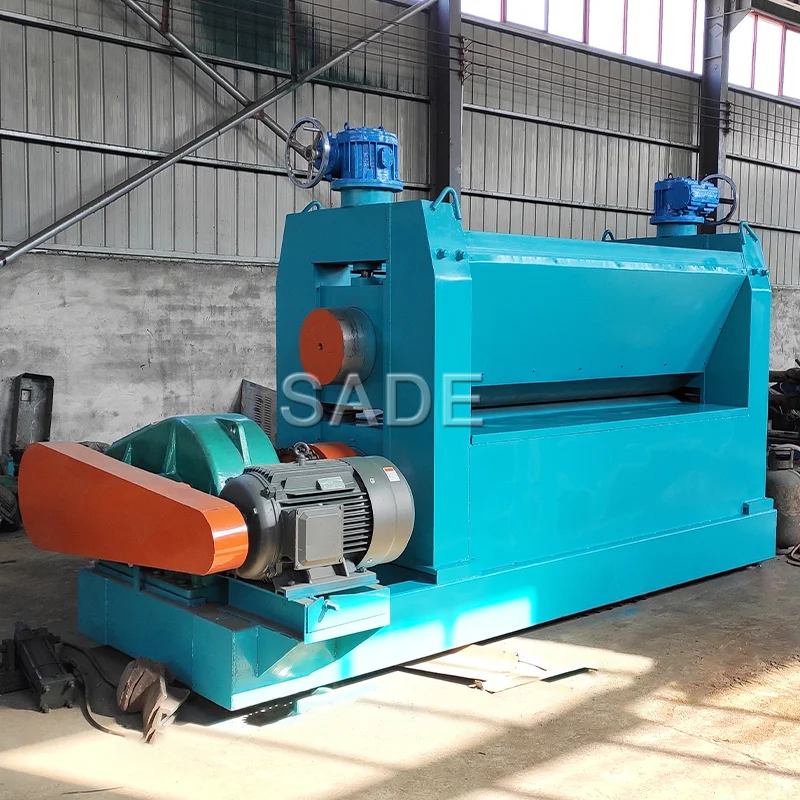
ZPJ Metal Mesh Flatting Machine
ZPJ metal mesh flatting machine is special designed for expanded metal flatting.It’s a corollary equipment of expanded metal machine. It can make expanded wire-mesh smoothly.And the flattened expanded metal have much more widely different applications.
Apr 24, 2026
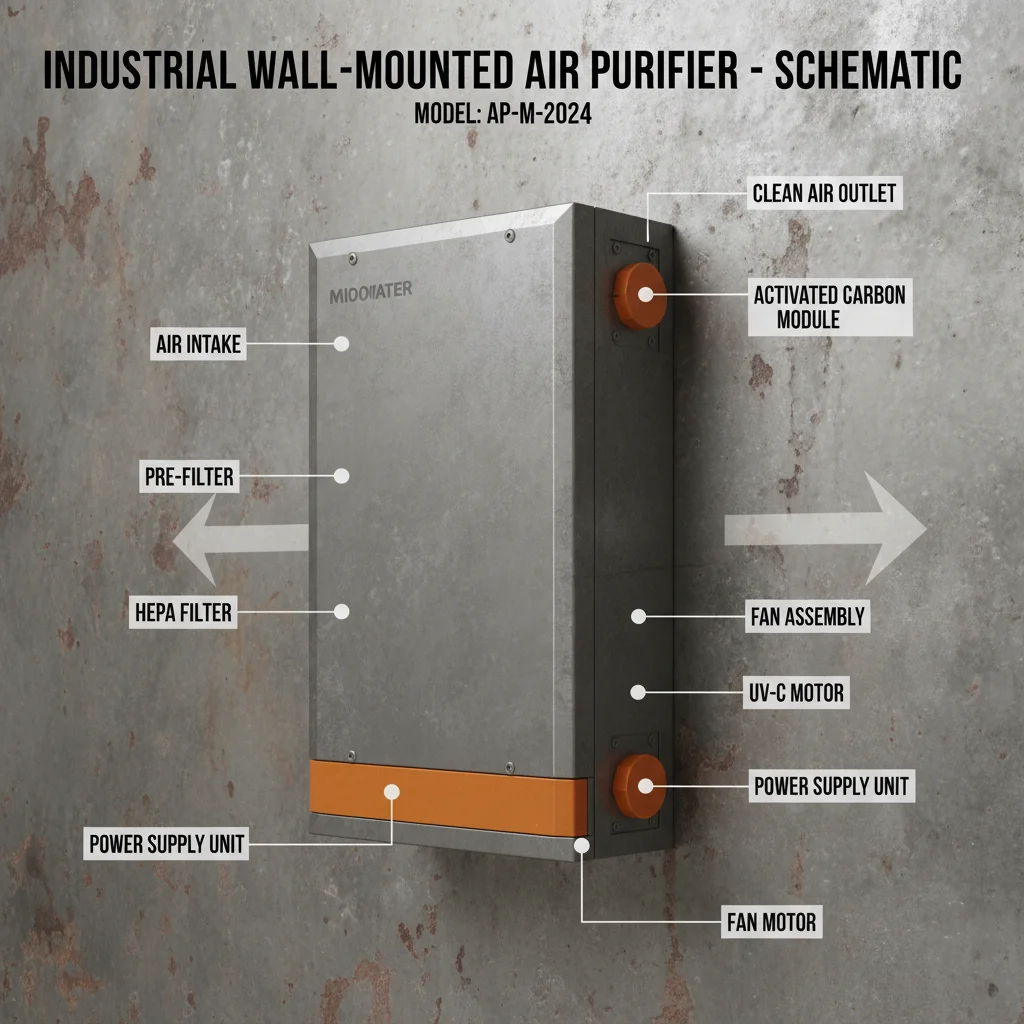
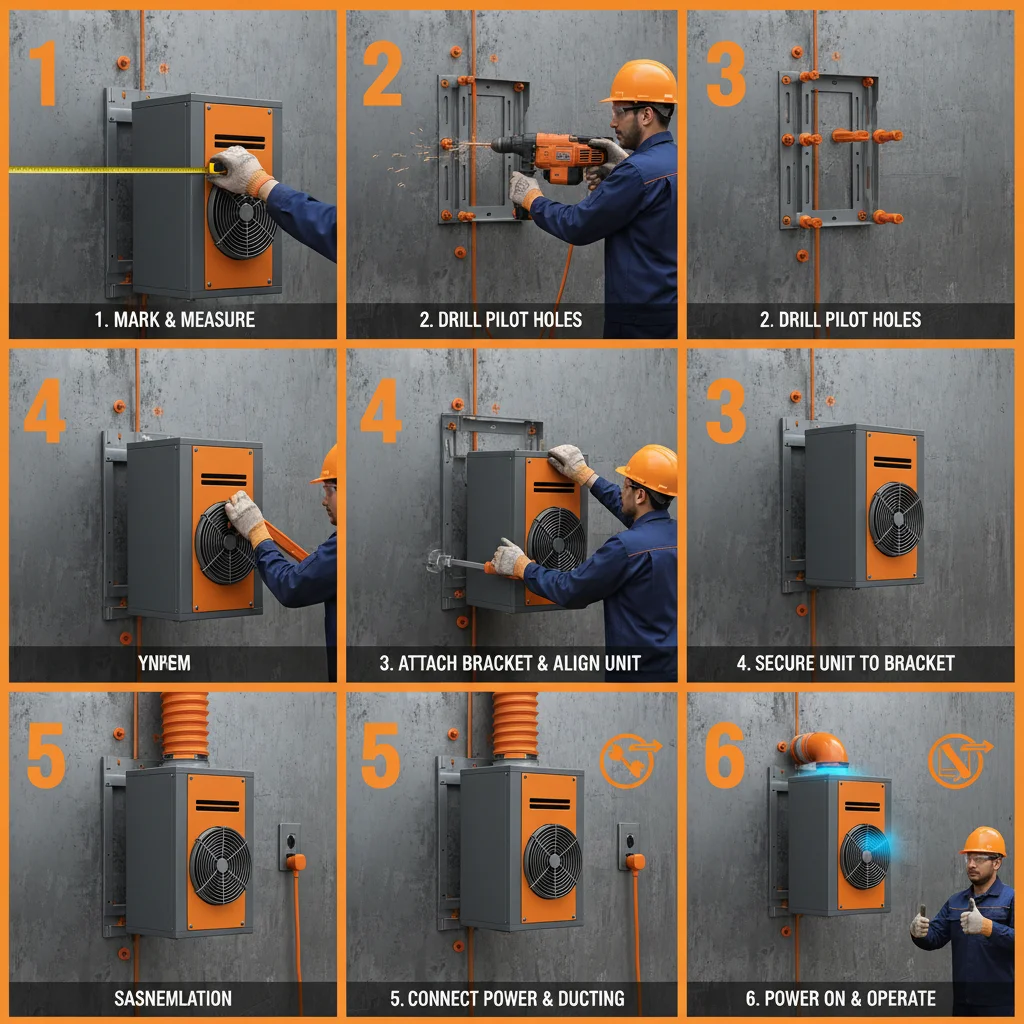
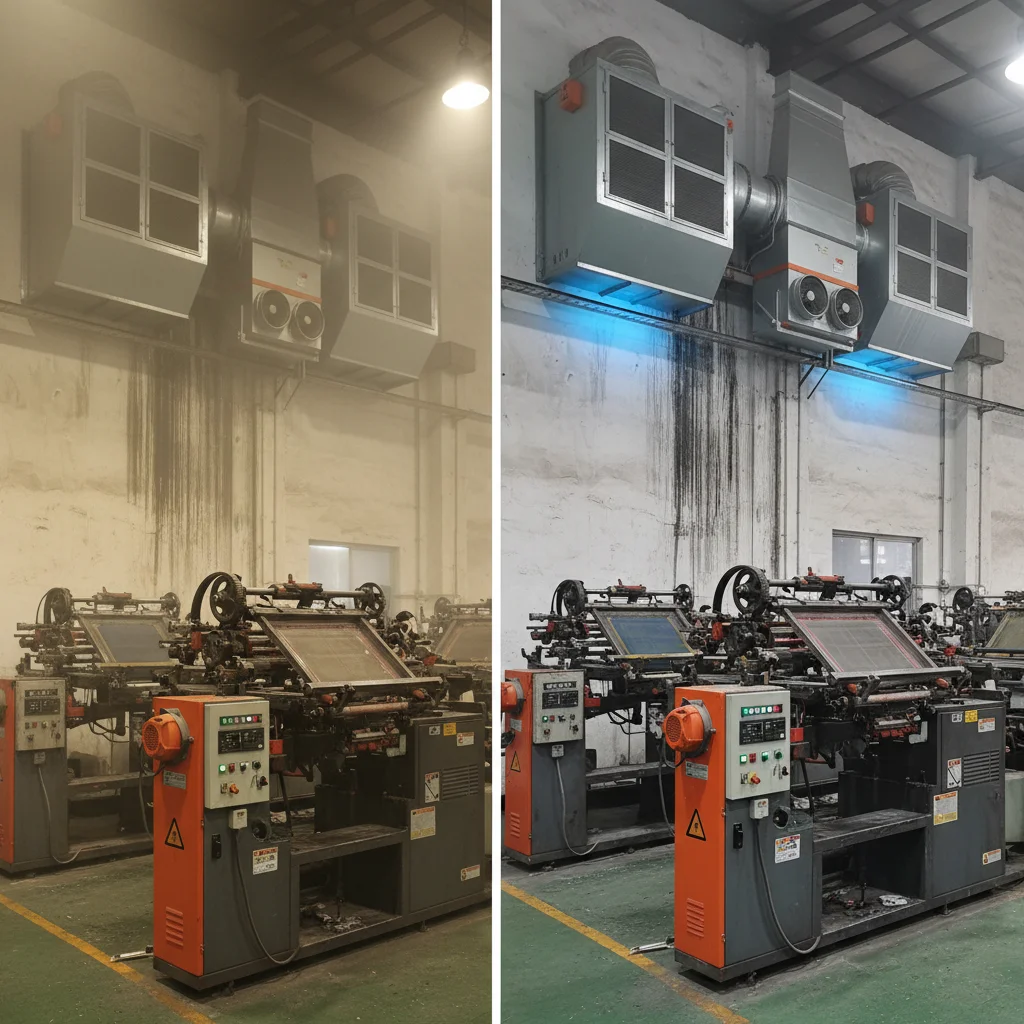
Industrial Wall Mounted Air Filtration for Clean Work Environments