
April 16, 2026
In the world of industrial fencing, efficiency and precision are the cornerstones of profitability. Investing in a high-quality chain link fence weaving machine is the most effective way for manufacturers to scale their production while maintaining strict quality standards. Whether you are catering to residential security or large-scale industrial perimeters, the right machinery ensures consistent diamond mesh patterns and structural integrity. In this comprehensive guide, we will explore the technical nuances, operational benefits, and selection criteria to help you optimize your production line for maximum output and durability.
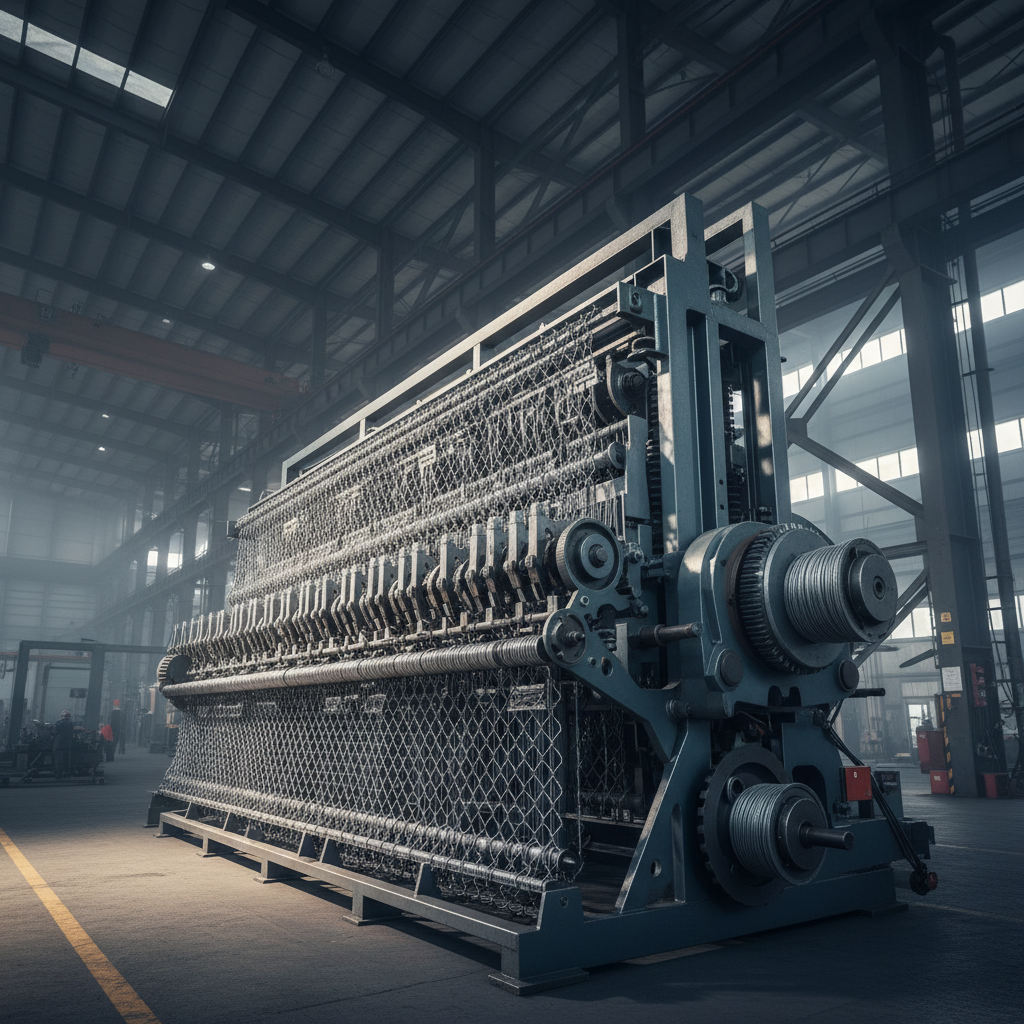
A professional chain link fence weaving machine operates on a sophisticated principle of twisting and interlocking wires. Unlike traditional weaving, chain link fabrication requires the machine to precisely bend the wire into a "zigzag" shape and سپس weave it into the preceding wire. Modern automated systems have replaced manual labor, allowing for higher speeds and virtually zero human error. These machines typically feature adjustable tension controls and precision-engineered molds that determine the mesh size and the thickness of the wire used.
Technical Insight: The synchronicity between the feeding motor and the weaving head is what defines the quality of the fence. Any deviation in timing can lead to uneven diamond shapes or "loose" mesh, which compromises the security of the final product.
Transitioning to an automated chain link fence weaving machine offers transformative benefits for any factory. First, the production speed is exponentially higher than semi-automatic models, enabling businesses to meet tight deadlines for government or commercial contracts. Second, the consistency of the weave ensures that the fencing can be stretched and installed without warping. Furthermore, the reduction in material waste—thanks to precision cutting and feeding systems—directly improves the bottom line by lowering raw material costs.
Key Efficiency Gains:
• Labor Reduction: Minimal supervision required for continuous operation.
• Material Optimization: High precision reduces wire scrap during the start-up phase.
• Uniformity: Every roll of fence maintains identical diamond aperture size.
• Versatility: Capability to handle various wire coatings, including galvanized and PVC.
For many small-scale workshops, the temptation to use manual or semi-automatic equipment is there due to lower initial costs. However, when analyzing the total cost of ownership (TCO), the chain link fence weaving machine (fully automatic) becomes the clear winner. Automatic machines not only produce more but do so with a level of precision that manual operators cannot replicate over an 8-hour shift. The table below provides a detailed comparison of the two approaches.
Not every chain link fence weaving machine is the same. Depending on your target market—whether it's high-security prisons, agricultural boundaries, or decorative garden fences—you will need different specifications. The wire diameter and the mesh aperture size are the two most critical variables. For instance, heavy-duty industrial fences require machines that can handle thicker gauge steel wire without causing excessive wear on the weaving heads. Investing in a machine with a versatile range of molds allows you to pivot your product offering based on seasonal demand.
When reviewing the technical data sheet for a chain link fence weaving machine, focus on the motor power, the maximum wire diameter it can process, and the speed of the weaving cycle. High-end machines utilize reinforced alloys for the weaving components to ensure longevity under high friction. The following table outlines the standard specifications you can expect from a professional-grade industrial weaver:
To protect your investment in a chain link fence weaving machine, a strict maintenance schedule is non-negotiable. Because these machines operate under constant friction, lubrication of the moving parts is the most critical daily task. Regular inspection of the weaving pins and the tensioning rollers prevents sudden downtime. Moreover, ensuring that the raw wire is clean and free of rust prevents premature wear on the internal molds. A well-maintained machine can operate for over a decade with minimal loss in precision, providing a massive return on investment.
Investing in a professional chain link fence weaving machine is more than just a purchase; it is a strategic move toward industrial maturity. By combining high-speed automation with precise engineering, manufacturers can reduce costs, eliminate quality variances, and aggressively expand their market share. Whether you are focusing on durability for security fences or flexibility for residential needs, the right machinery is the engine of your growth. Choose quality, prioritize maintenance, and let technology drive your production excellence.
For most modern, automated machines, the basic operational training takes between 3 to 7 days. While the machine handles the weaving process automatically, the operator needs to learn how to properly load the wire spools, set the tension, and change the molds for different mesh sizes. Advanced training focuses on troubleshooting and preventative maintenance. Because these systems are designed for user-friendliness, most staff can reach full productivity within two weeks of hands-on experience.
Yes, a professional chain link fence weaving machine is designed for versatility. By swapping the weaving molds and adjusting the settings on the control panel, you can change the aperture size of the diamonds. This allows a single machine to produce everything from tight, high-security mesh to wider, more open agricultural fencing. We recommend purchasing a set of multiple molds during the initial acquisition to ensure a fast transition between different product lines.
These machines are primarily designed for galvanized steel wire, which is the industry standard for durability and rust resistance. However, they can also process PVC-coated wire or stainless steel wire. It is important to note that when using coated wires, the tension settings must be adjusted to prevent the coating from peeling or scratching during the weaving process. Always ensure the wire gauge matches the machine's specified range to avoid overloading the motor or damaging the weaving pins.
Uneven mesh is usually caused by inconsistent wire tension or worn-out molds. To prevent this, regularly calibrate the tensioning system and ensure that the wire is feeding smoothly from the spool without tangles. Additionally, check the alignment of the weaving head every few days. Using high-quality, consistent-diameter wire is also crucial, as slight variations in raw material thickness can lead to visible irregularities in the final weave. Regular lubrication of the bearings also ensures a smooth, steady mechanical motion.
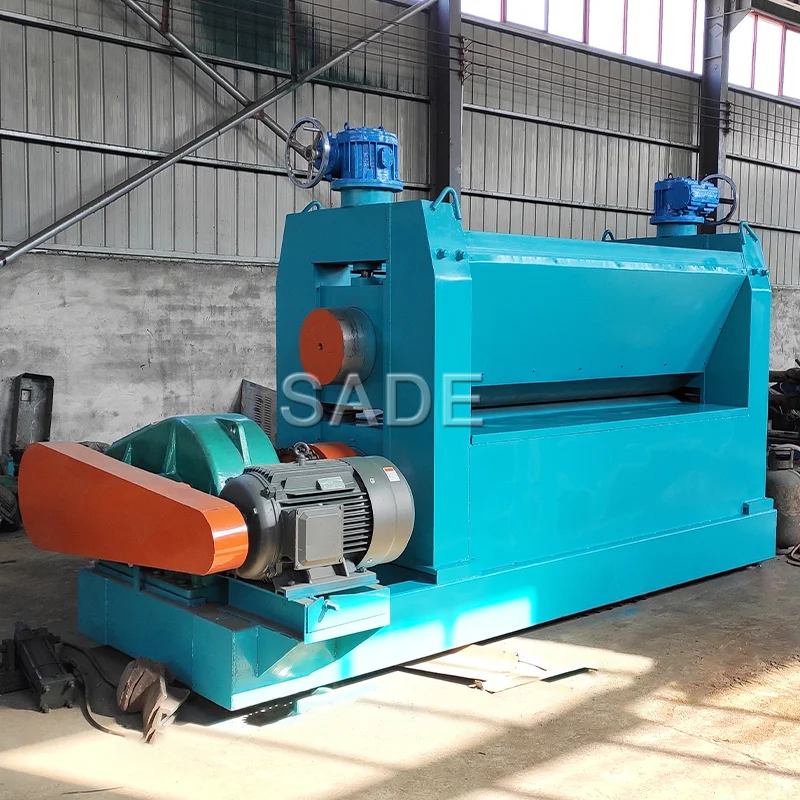
ZPJ Metal Mesh Flatting Machine
ZPJ metal mesh flatting machine is special designed for expanded metal flatting.It’s a corollary equipment of expanded metal machine. It can make expanded wire-mesh smoothly.And the flattened expanded metal have much more widely different applications.
Apr 24, 2026
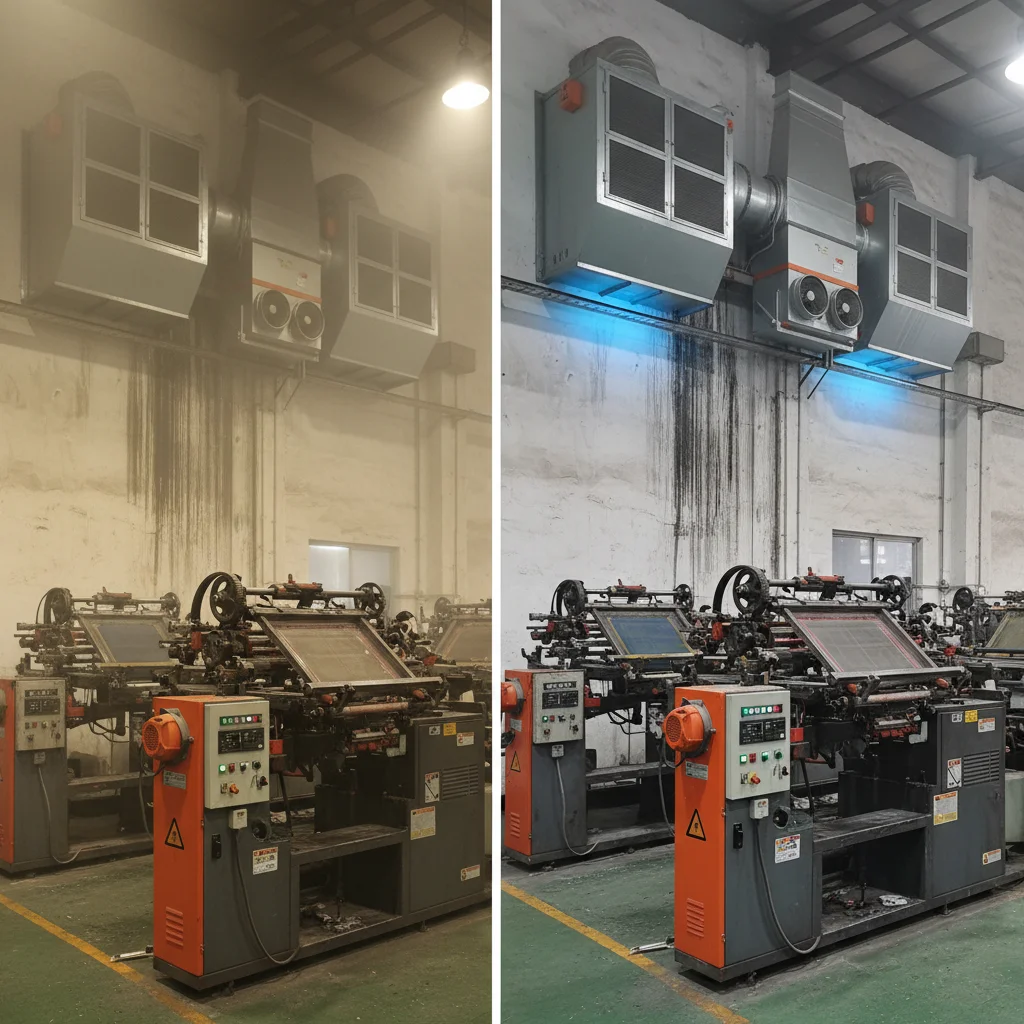
Industrial Wall Mounted Air Filtration for Clean Work Environments