
April 07, 2026
Mesh welding machines are essential for producing high-quality welded wire mesh used in diverse industries, from construction and agriculture to security and filtration. This article will explore the various types of mesh welding machines, their applications, key features, and factors to consider when choosing the right machine for your needs. We'll delve into the technology behind these machines and how they contribute to efficient and reliable mesh production. Investing in the right mesh welding machine can significantly boost productivity and improve the quality of your finished products.
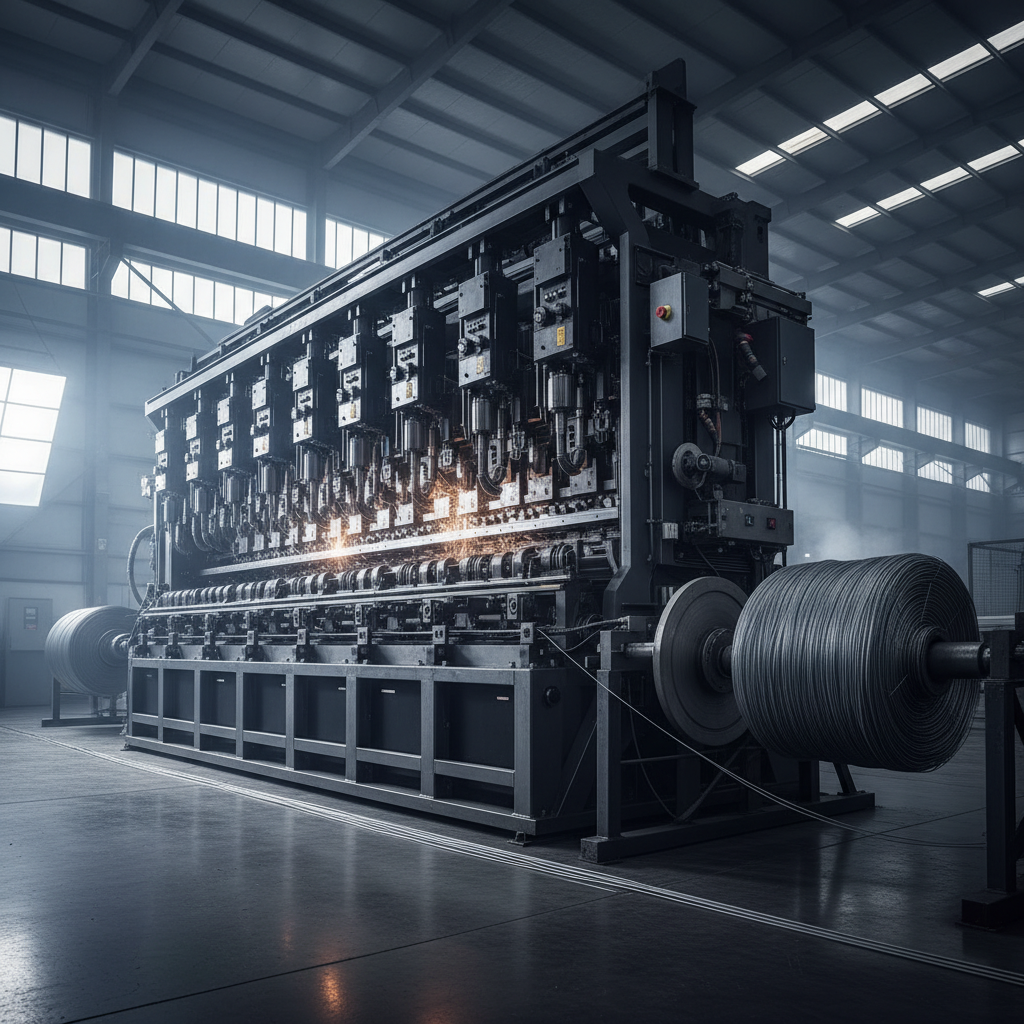
There are several types of mesh welding machines, each suited for different mesh sizes, materials, and production volumes. The most common types include:
The choice of machine depends largely on the specific application and the desired characteristics of the finished mesh. Meshmachinery.com offers a comprehensive range of machines to cater to various needs.
Key Takeaway: Understanding the different machine types is crucial for selecting the most efficient and cost-effective solution for your mesh welding requirements.
When selecting a mesh welding machine, consider these crucial features:
These features directly impact the machine's performance, reliability, and overall cost of operation.
Mesh welding machines serve a broad range of industries. Some common applications include:
The versatility of welded wire mesh makes it a vital material in many sectors. Investing in a suitable mesh welding machine can streamline production and meet diverse market demands.
Application Examples:
• Creating robust fencing for agricultural use.
• Manufacturing rebar mesh for strengthening concrete structures.
• Producing wire mesh cages for animal containment.
• Fabricating filters for various industrial processes.
The welding power source significantly impacts the machine's performance. Here's a comparison of two common types:
Selecting the right mesh welding machine requires careful consideration of your specific needs. Key factors include:
Choosing the right mesh welding machine is a significant investment that can greatly impact your productivity and product quality. By carefully considering your needs, researching available options, and partnering with a reputable supplier like Meshmachinery.com, you can ensure a successful outcome. Don't hesitate to reach out to experts for guidance and support.
Regular maintenance is crucial for extending the lifespan and ensuring the reliable operation of your mesh welding machine. Key maintenance tasks include cleaning the welding head and wire feeding system, checking and replacing welding tips, lubricating moving parts, and inspecting electrical connections. Following the manufacturer's recommended maintenance schedule is essential. Neglecting maintenance can lead to reduced performance, increased downtime, and costly repairs. Proper maintenance also contributes to consistent weld quality and minimizes the risk of accidents.
Most mesh welding machines can handle a variety of wire types, including mild steel, galvanized steel, stainless steel, and aluminum. However, the specific capabilities depend on the machine's design and welding power source. It's important to verify that the machine is compatible with the wire material you intend to use. Using the wrong wire can result in poor weld quality, damage to the machine, or safety hazards. Consult the machine's specifications or contact the manufacturer for guidance.
Production speed varies significantly depending on the machine type, wire diameter, mesh size, and welding parameters. Generally, inverter-based machines offer faster welding speeds compared to transformer-based machines. A typical production speed can range from a few meters per minute to over 20 meters per minute for high-speed automated machines. The speed is also affected by the complexity of the mesh pattern and the desired weld quality. For precise production rates, it's best to consult the specifications of the specific machine model.
Safety is paramount when operating mesh welding machines. Operators should wear appropriate personal protective equipment (PPE), including welding helmets, gloves, safety glasses, and protective clothing. The machine should be properly grounded and regularly inspected for electrical hazards. Ensure adequate ventilation to remove fumes and gases. Operators should be thoroughly trained on the machine's operation and safety procedures. Implementing clear safety protocols and enforcing their adherence is essential for preventing accidents and injuries. Refer to the machine's safety manual for specific guidelines.
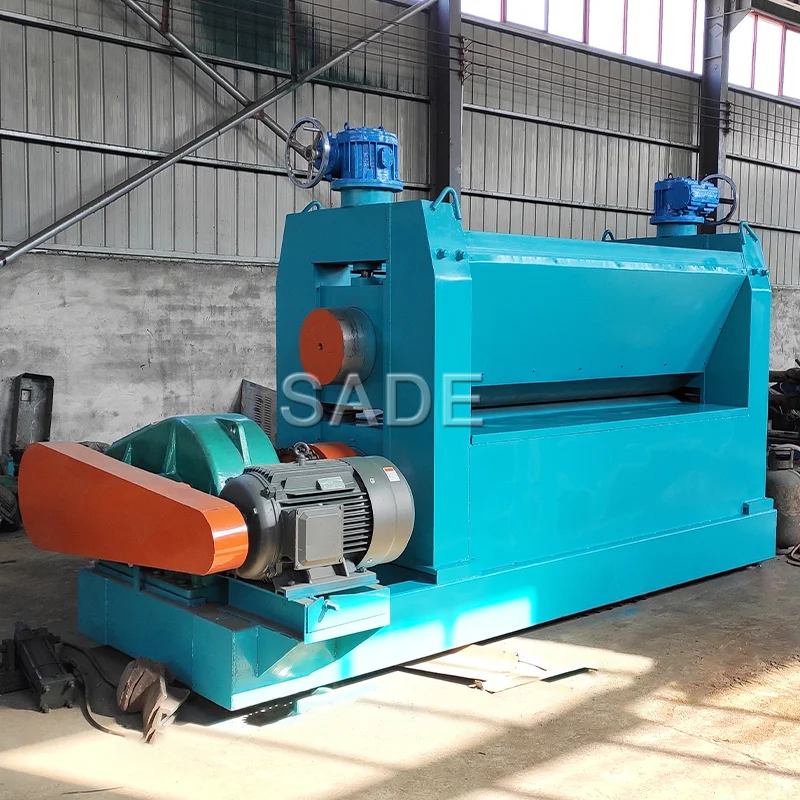
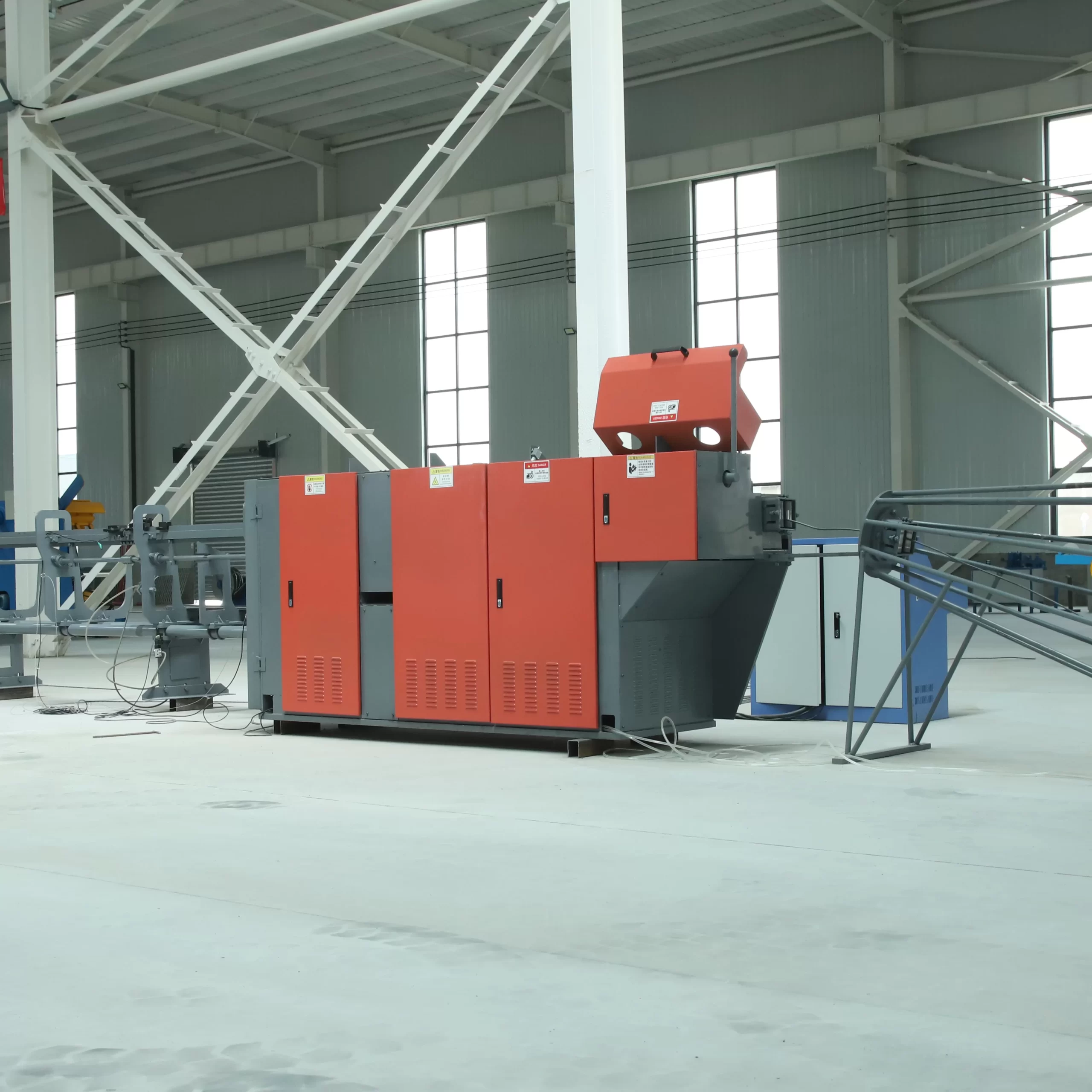
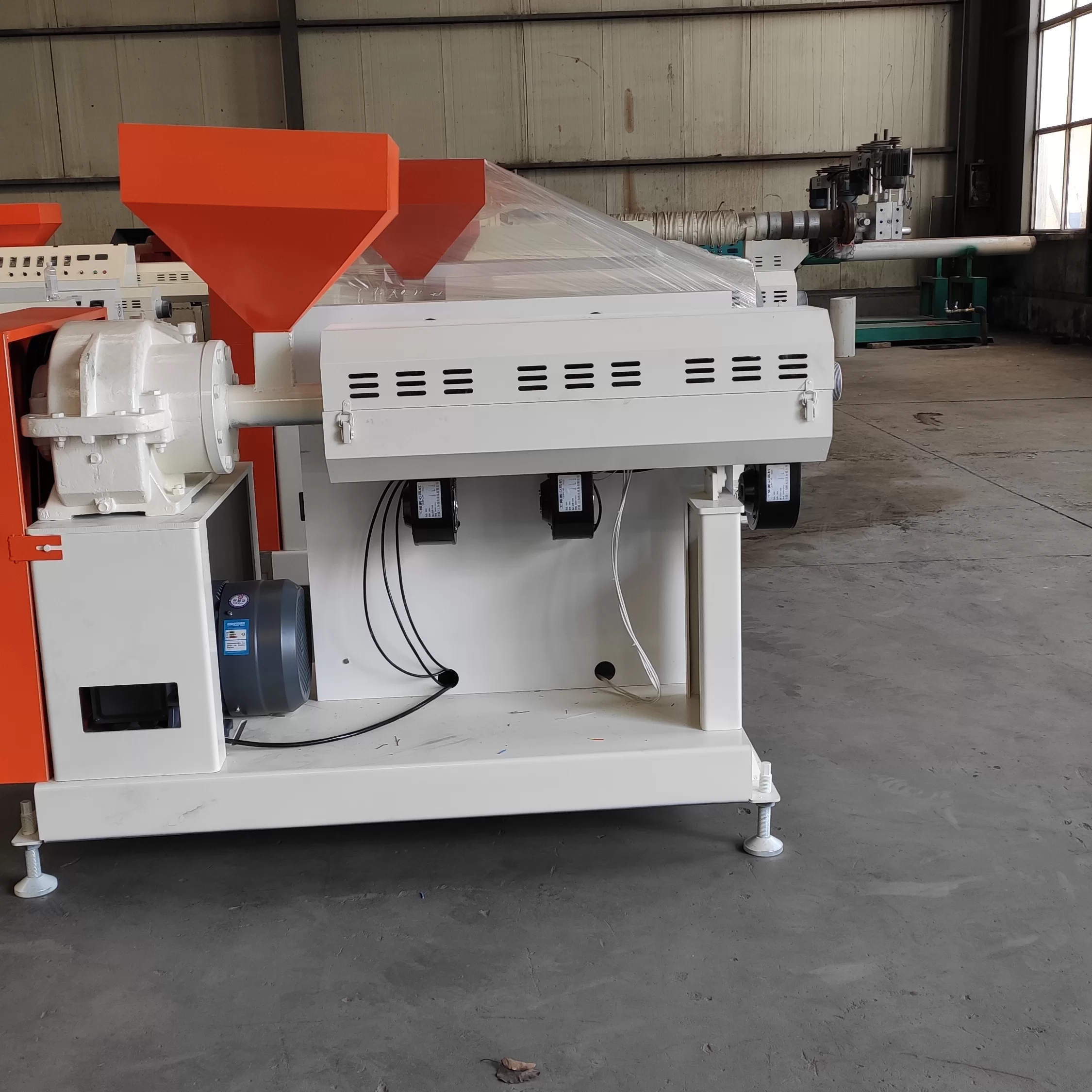
ZPJ Metal Mesh Flatting Machine
ZPJ metal mesh flatting machine is special designed for expanded metal flatting.It’s a corollary equipment of expanded metal machine. It can make expanded wire-mesh smoothly.And the flattened expanded metal have much more widely different applications.
Apr 24, 2026
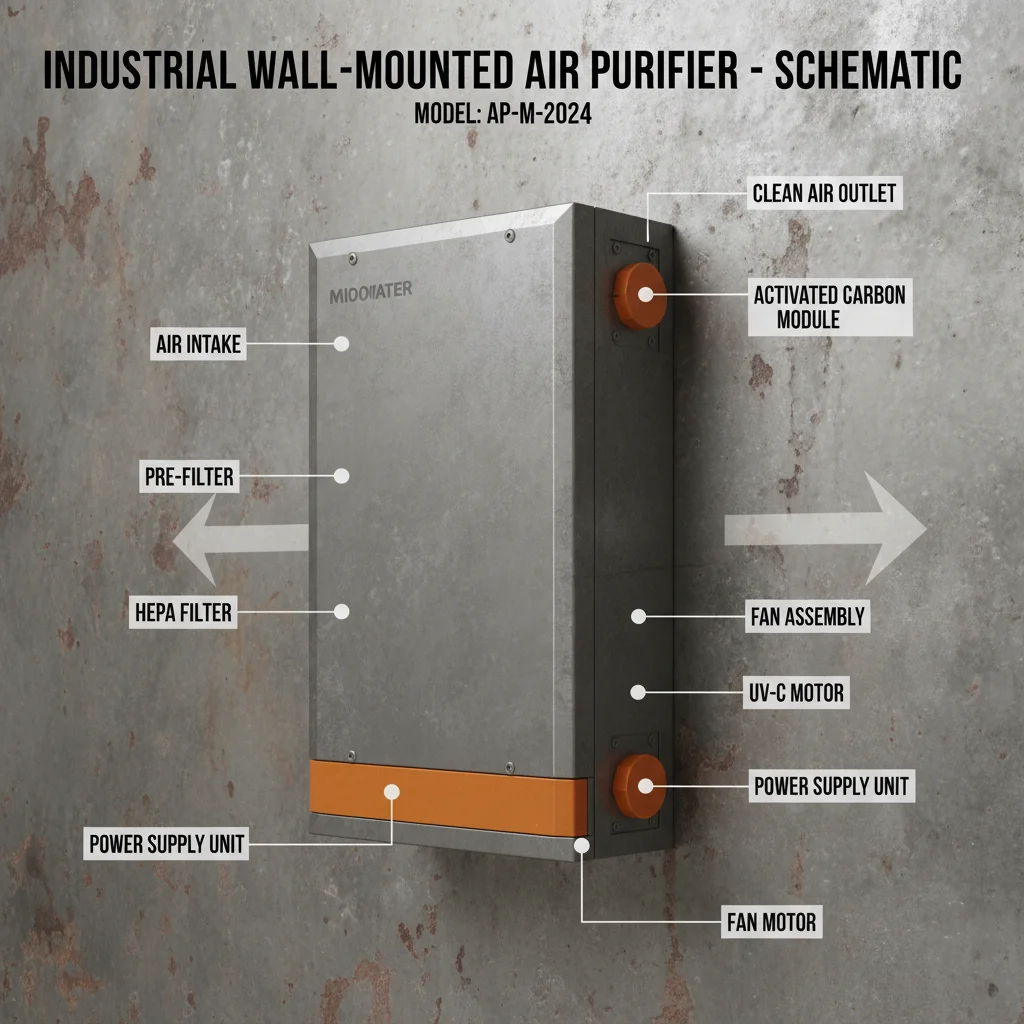
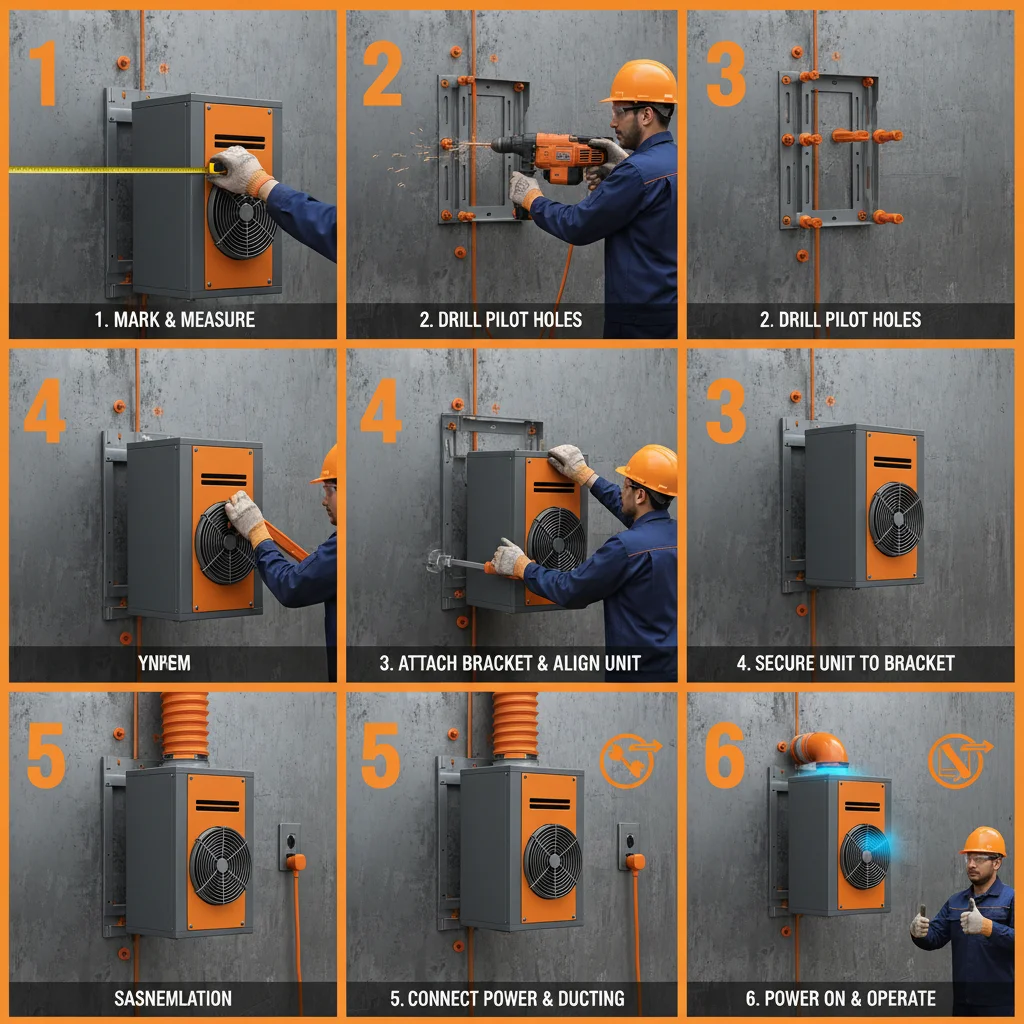
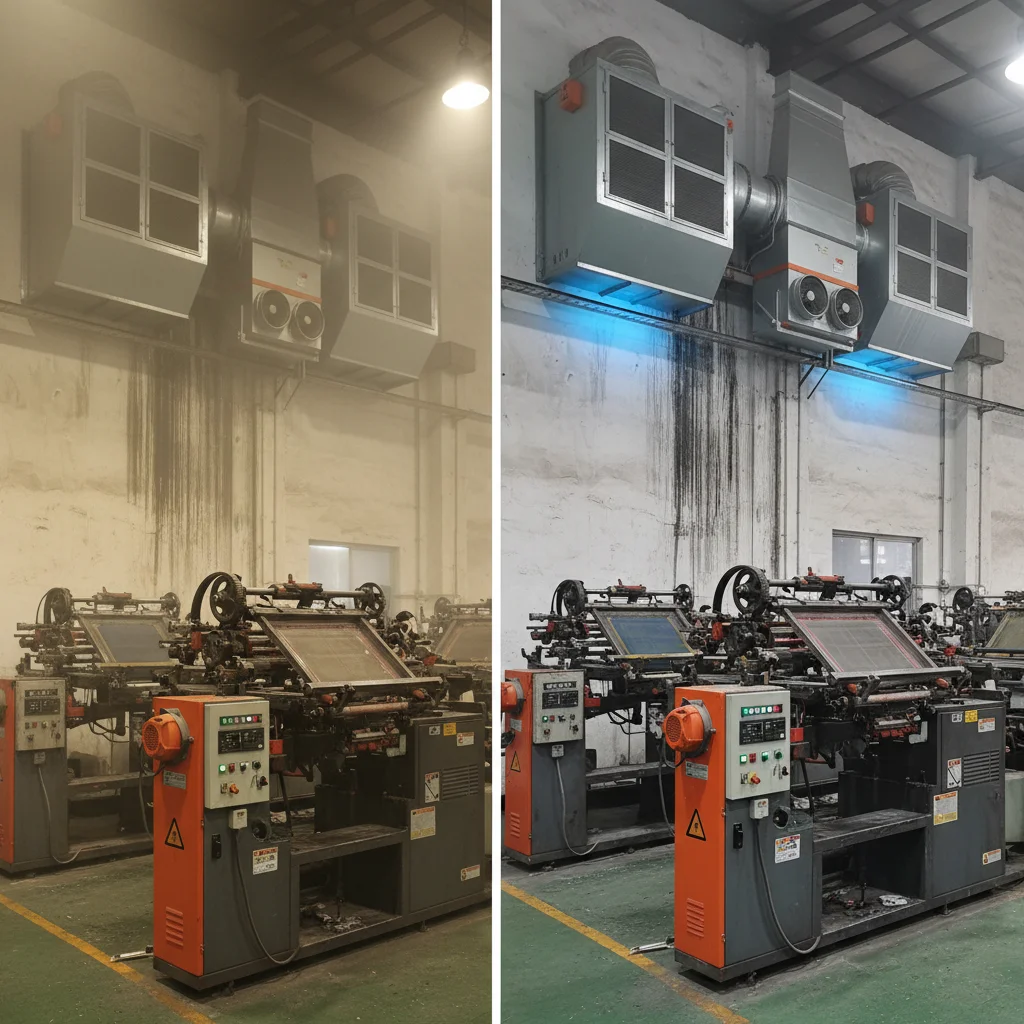
Industrial Wall Mounted Air Filtration for Clean Work Environments